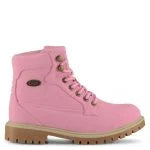
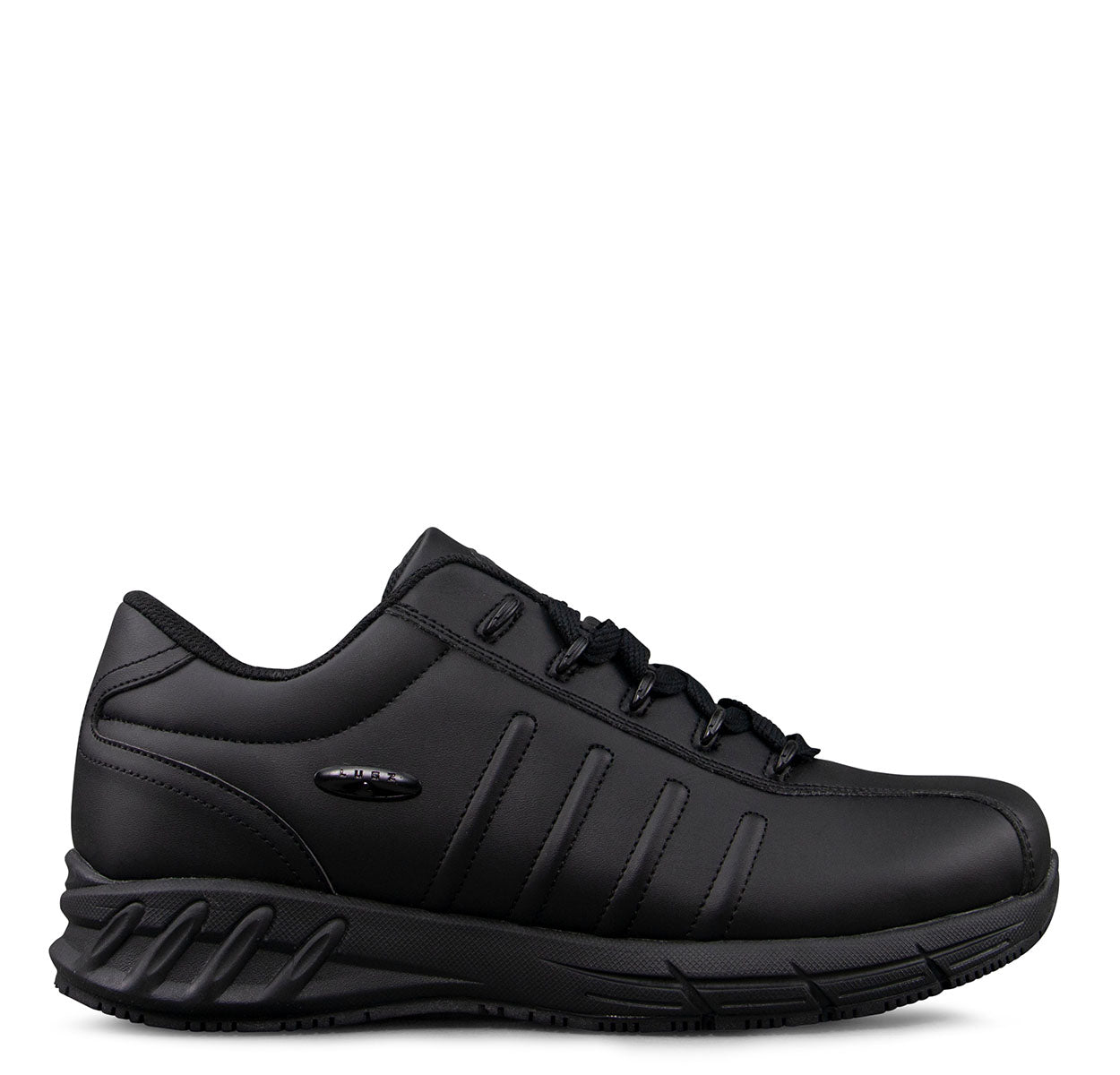
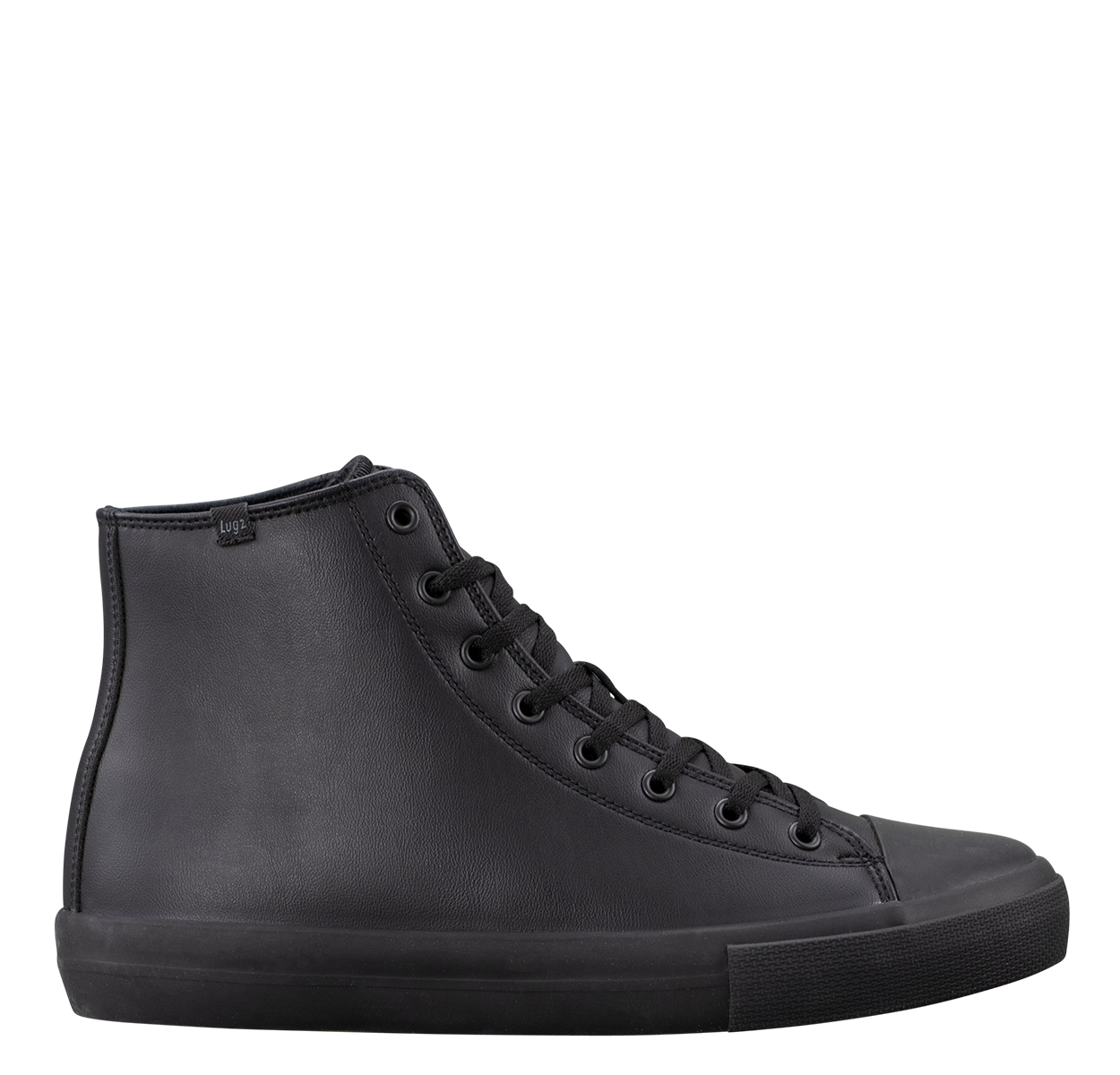
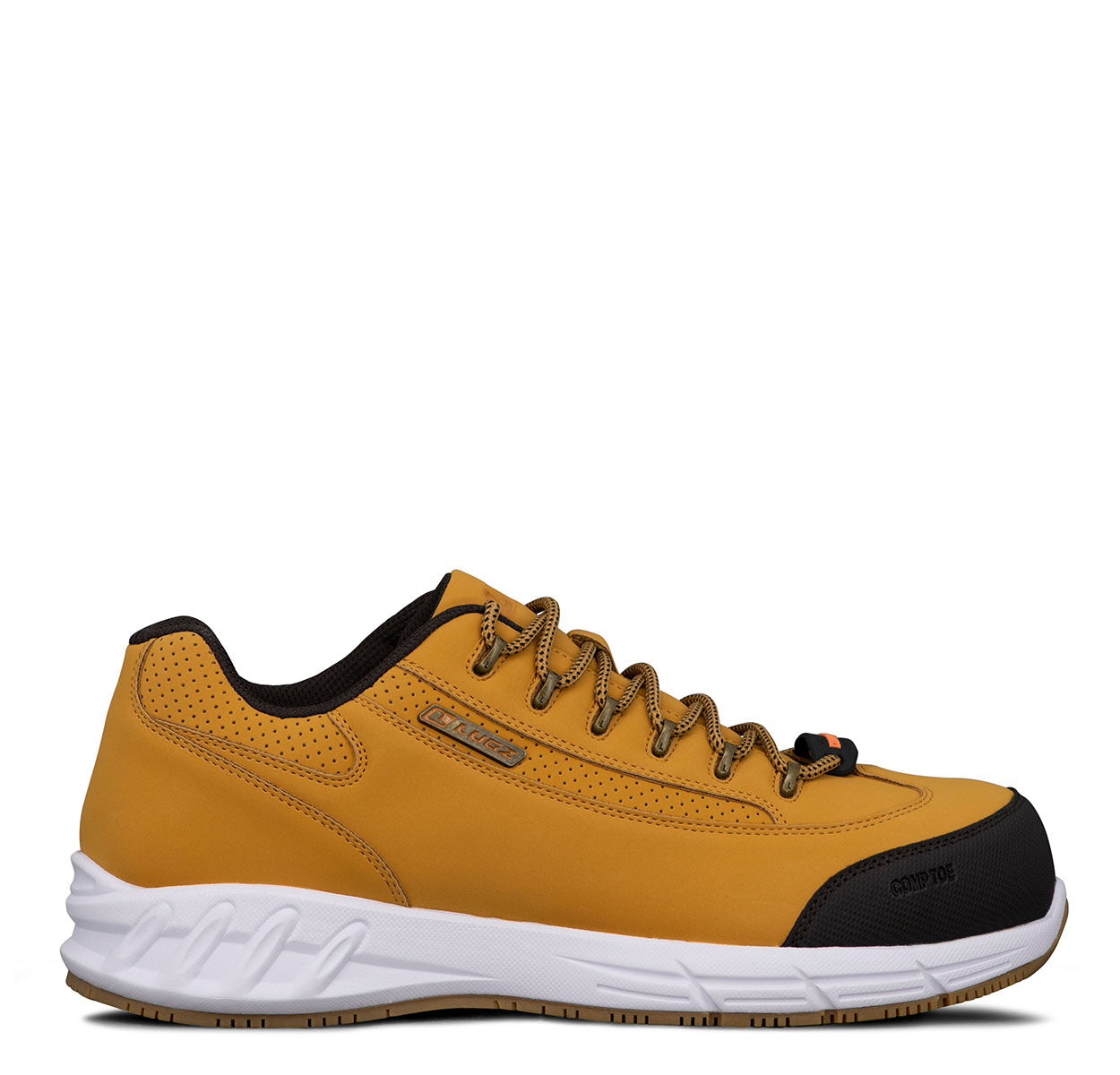


How to waterproof leather boots comes down to three steps: clean the leather, apply a waterproofing product matched to the boot material, and let the product cure before wearing. Done right, the whole process takes 30 to 45 minutes of hands-on work plus a 24-hour cure window. Done wrong, you can darken the leather permanently or weaken the seams. This guide on how to waterproof leather boots covers what to use, what to skip, and how often to reapply.
Waterproofing matters because leather is naturally porous. Water gets in, leather fibers swell, oils get pushed out, and the boot dries out and cracks. A waterproofing layer keeps the moisture on the outside, which protects the leather and keeps your feet dry. We build our boots and footwear from materials chosen for daily durability, and adding a waterproofing routine to your boot rotation will extend the life of every pair.
What You Need Before You Start
You do not need a workshop. A flat surface, good light, and the right product are enough. The full toolkit:
-
A soft horsehair brush or shoe brush
-
A clean cotton cloth or two (an old T-shirt works)
-
Saddle soap or a mild leather cleaner
-
The waterproofing product matched to your leather type (more on this below)
-
Newspaper or paper towels to stuff the boots if they get wet during cleaning
-
Cedar shoe trees if you have them
Work outdoors or in a well-ventilated room when you apply the waterproofing product. Spray waterproofers in particular release fumes you do not want to breathe in.
Match the Product to the Leather
Different leather types need different waterproofing products. Using a spray on a wax-heavy work boot is not as effective. Using a paste wax on suede ruins the nap. Match the product to the upper material before you start.
Smooth full-grain leather. This is the most common leather used in dress and casual boots. A paste wax (mink oil, beeswax-based products, or branded products like Sno-Seal) gives the longest-lasting waterproofing. Apply with a cloth, work it into the leather in circles, let it absorb for 30 minutes, then buff off the excess. A wax application lasts six to twelve weeks of regular wear before it needs reapplying.
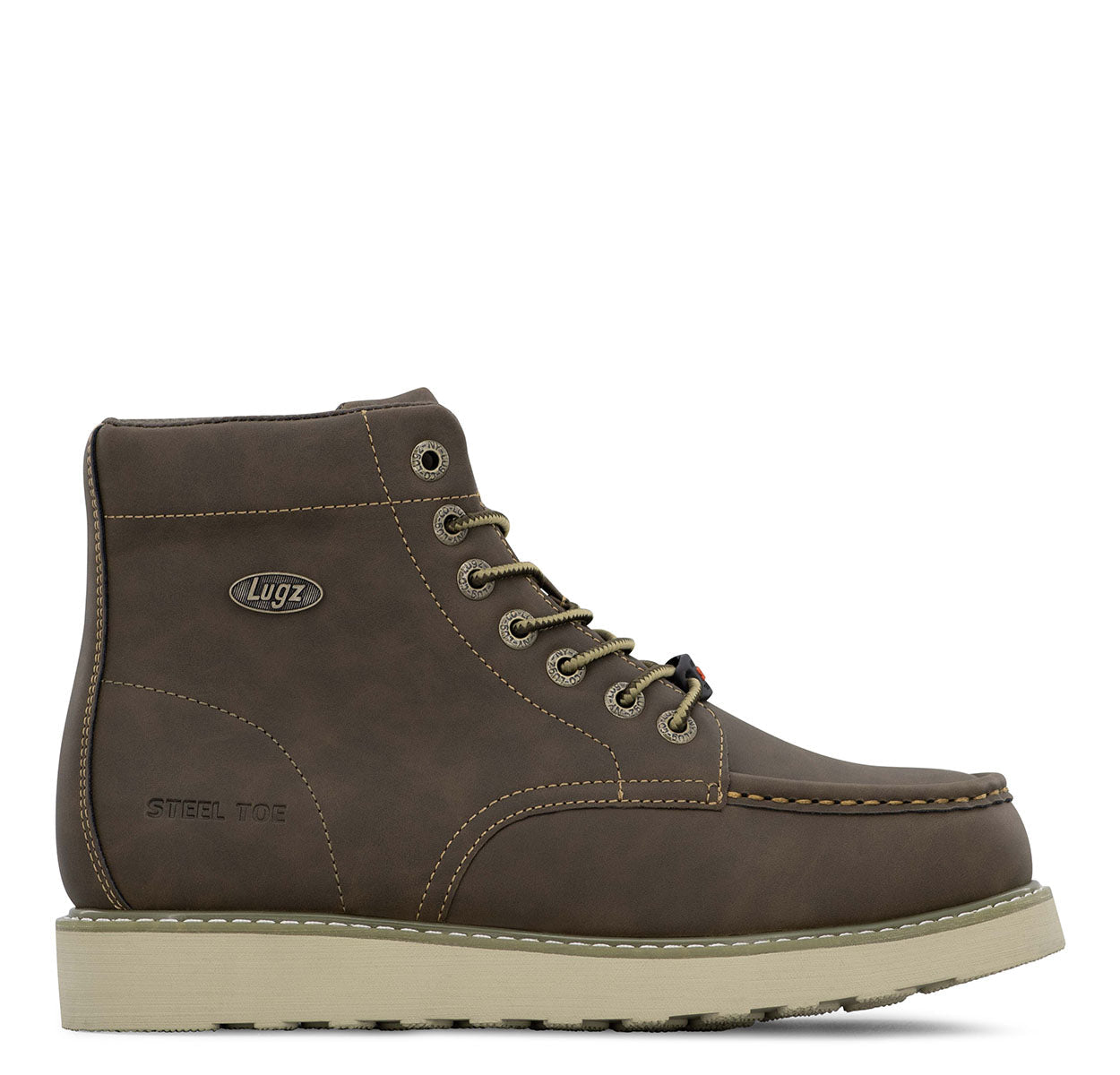
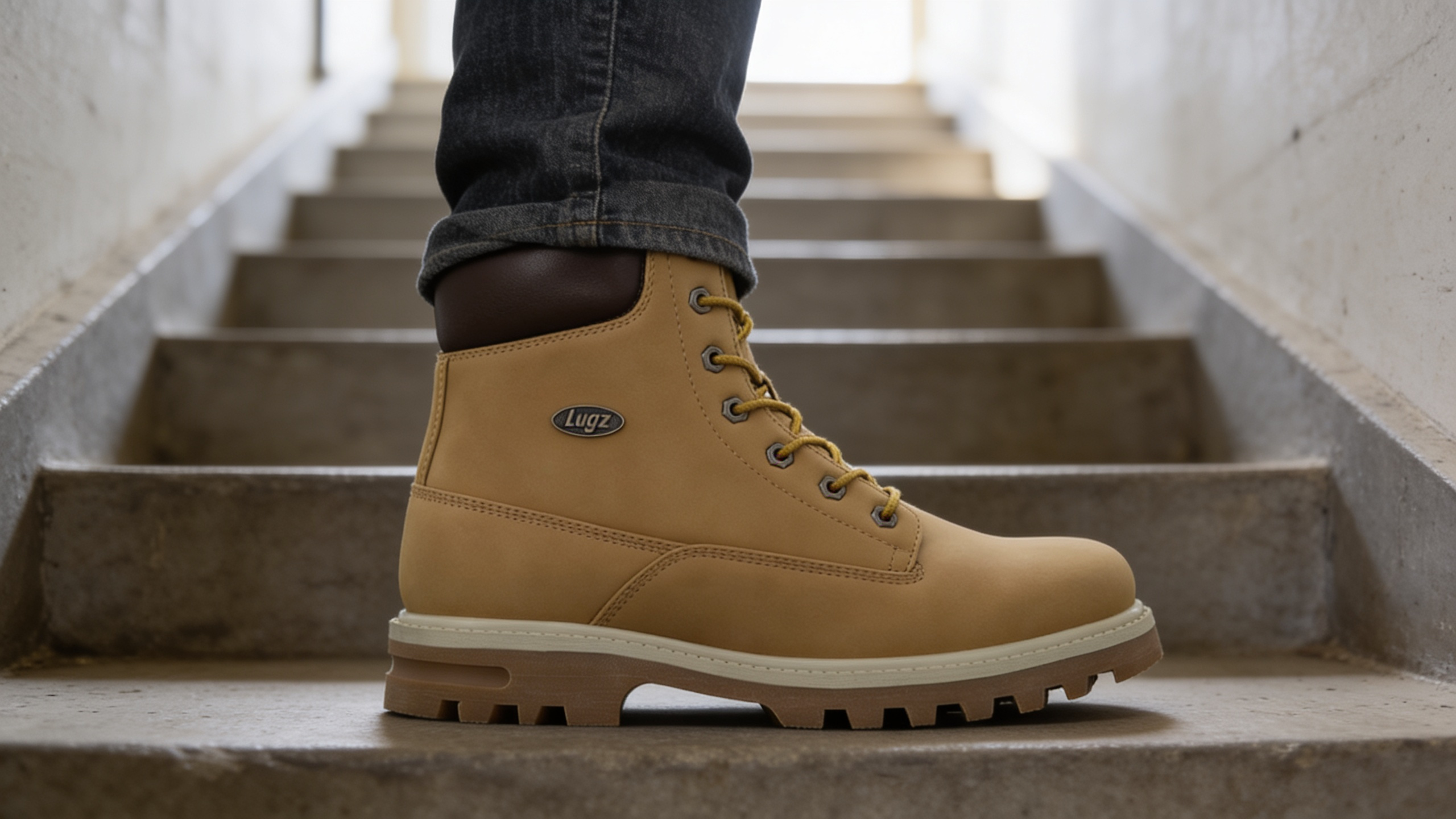
Work boot leather and oiled leather. These often come pre-treated with oils that resist water out of the box. Reapply a leather conditioner or oil (mink oil, neatsfoot oil) every two to three months. A wax product on top adds an extra weather barrier for winter or wet job sites. The Lugz Convoy 6-Inch Boot and similar lace-up styles benefit from this combined treatment.

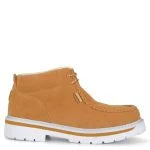
Suede and nubuck. Never use wax or oil on suede or nubuck. These materials need a dedicated suede protectant spray, applied in light coats from six to eight inches away. The spray creates a thin water-repellent layer without changing the texture of the nap. Reapply every four to six weeks during wet seasons.
Synthetic leather. Most synthetic uppers are already water-resistant out of the box. A light coat of an all-material protector spray adds a small extra layer, but heavy waxing is unnecessary and can leave a residue.
How to Waterproof Leather Boots Step by Step
This is the full sequence from clean boot to ready-to-wear. Block out an hour for active work and 24 hours total before the boots can go back into rotation.
Step 1: Clean the Boots Thoroughly
Waterproofing dirty boots traps dirt against the leather, which causes staining and breaks down the leather faster. Start with a clean upper, every time.
Remove the laces. Brush off loose dirt and debris with a horsehair brush, paying attention to the seams and the welt where dirt collects. For heavier dirt, dampen a cloth with water and a small amount of saddle soap. Wipe the leather in circles, working the soap into the surface. Wipe off the soap with a second cloth dampened with plain water. Let the boots air dry for at least a few hours before applying any waterproofing product. Damp leather will not absorb wax or oil evenly.
Step 2: Condition the Leather First (Optional but Recommended)
If the leather looks dry, dull, or has any cracking starting in the flex points, condition it before waterproofing. Apply a small amount of leather conditioner with a cloth, work it in, wait 10 to 15 minutes, then wipe off any excess. This step nourishes the leather from the inside before you seal it from the outside.
Skip this step on suede and nubuck. Conditioner darkens these materials and crushes the nap.
Step 3: Apply the Waterproofing Product
For paste wax on smooth leather:
1. Scoop a small amount of wax onto a clean cloth (dime-sized for one boot). 2. Rub the wax into the leather in small circles. Cover the entire upper, paying extra attention to the seams, the welt, and the tongue. 3. For tough leather, gently warm the boot with a hairdryer on the low setting from at least 12 inches away. The warmth helps the wax penetrate. Do not overheat, and never use direct flame or a heat gun. 4. Let the wax sit for 30 minutes to absorb. 5. Buff off the excess with a clean cloth.
For waterproofing spray on suede, nubuck, or synthetic:
1. Hold the can six to eight inches from the boot. 2. Spray a light, even coat across the entire upper, including the tongue and the seams. 3. Let the first coat dry for 10 to 15 minutes. 4. Apply a second light coat. Two thin coats work better than one heavy coat.
Step 4: Let the Boots Cure
This is the step most people skip. Both wax and spray products need time to fully bond with the leather or material. The minimum cure window is 24 hours. Cure in a dry room at normal temperature. Do not put boots near a heater, in direct sun, or in a damp basement during the cure period.
If you wear the boots before they cure, you reduce the effectiveness of the waterproofing and may pick up dirt that bonds to the still-soft wax layer.
How Often to Waterproof Leather Boots
Waterproofing is not a one-time treatment. The frequency depends on the leather type, the climate, and how hard you wear the boots.
-
Smooth full-grain leather (paste wax): Every 6 to 12 weeks of regular wear. Reapply sooner if water stops beading on the surface.
-
Work boot leather (oil + wax combination): Oil every 2 to 3 months. Wax every 6 to 8 weeks in wet seasons.
-
Suede and nubuck (spray): Every 4 to 6 weeks during wet seasons. Less often in dry climates.
-
Synthetic leather: Once or twice a season is usually enough.
The simple visual test: drop a small amount of water on the boot. If it beads up and rolls off, the waterproofing is still working. If it soaks in within 10 to 15 seconds, the layer has worn off and needs reapplying.

Common Mistakes That Damage Leather Boots
A few rookie errors that come up over and over:
-
Skipping the cleaning step. Waterproofing over dirt traps the dirt and stains the leather.
-
Over-applying wax. A thick layer of wax does not waterproof better than a thin layer. It just sits on the surface, attracts dust, and looks bad.
-
Using the wrong product on suede. Wax flattens the nap permanently. Use a dedicated suede spray.
-
Drying wet boots with direct heat. Heat dries out the leather oils and causes cracking. Always air-dry boots, ideally stuffed with newspaper to absorb interior moisture.
-
Not reapplying. Waterproofing wears off. Most people apply once and assume the boots are protected for life. Set a reminder every two to three months to check the bead test.
The point on heat damage isn't just a folk rule. The National Park Service's guidance on curatorial care of leather objects (used by museum conservators to preserve leather in collections) explicitly warns that elevated temperatures speed up chemical deterioration, dry out the fibers, and cause embrittlement. The same logic applies to a boot drying next to a radiator: low and slow is the only safe way.
Make Waterproofing Part of Your Boot Routine
Waterproofing leather boots is a 30-minute task that pays off in years of extra life from every pair. Our men's boots collection is built on leather and synthetic materials chosen for daily durability, and a regular waterproofing routine is what keeps the boots looking and performing the way they did the day you unboxed them. If you want to see everything we make, our broader footwear lineup extends across women's styles, sneakers, and work footwear, all built on the same focus on long-wear materials. Pick the product that matches your leather, run the steps end to end, and reapply when the water stops beading.