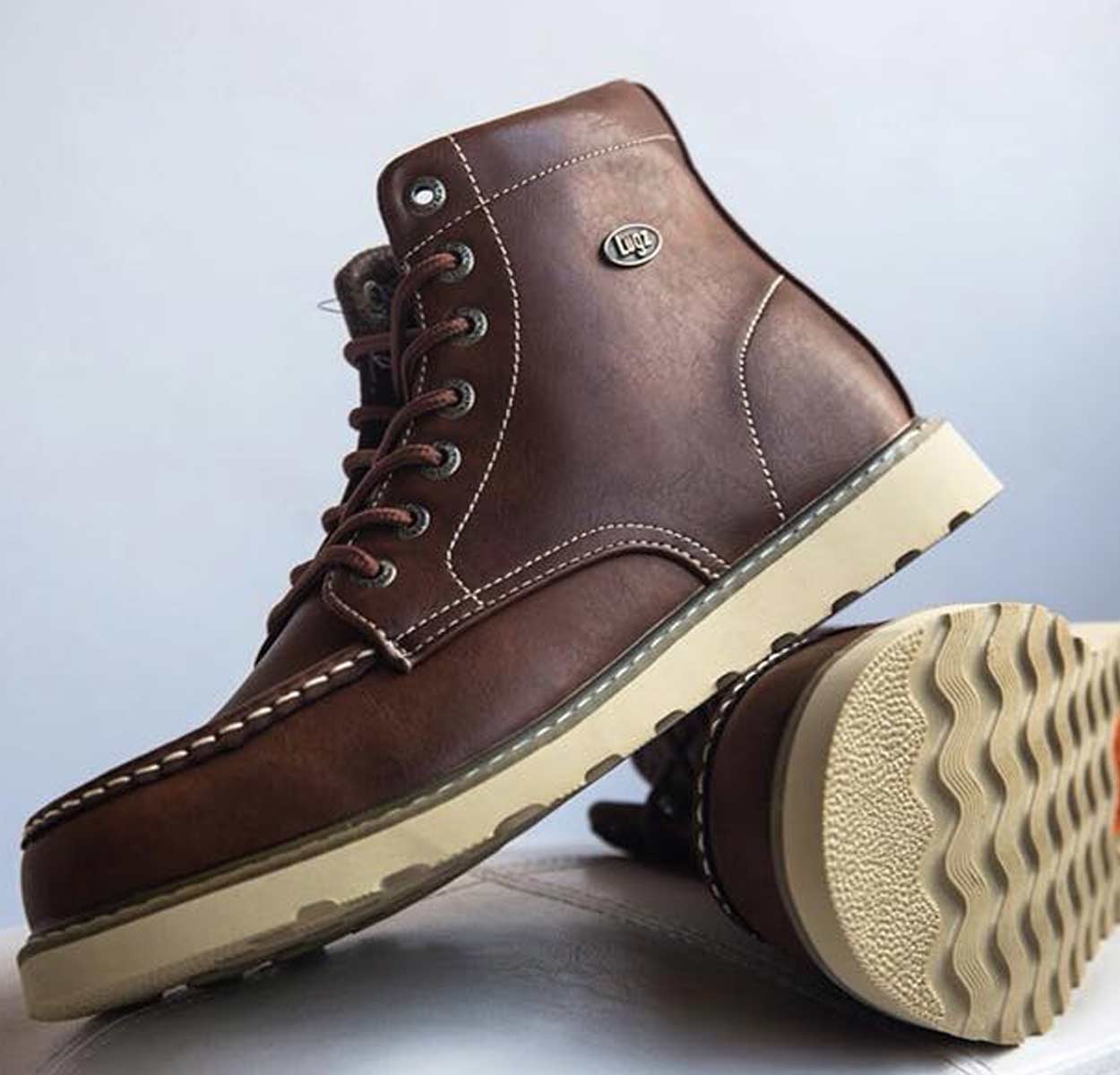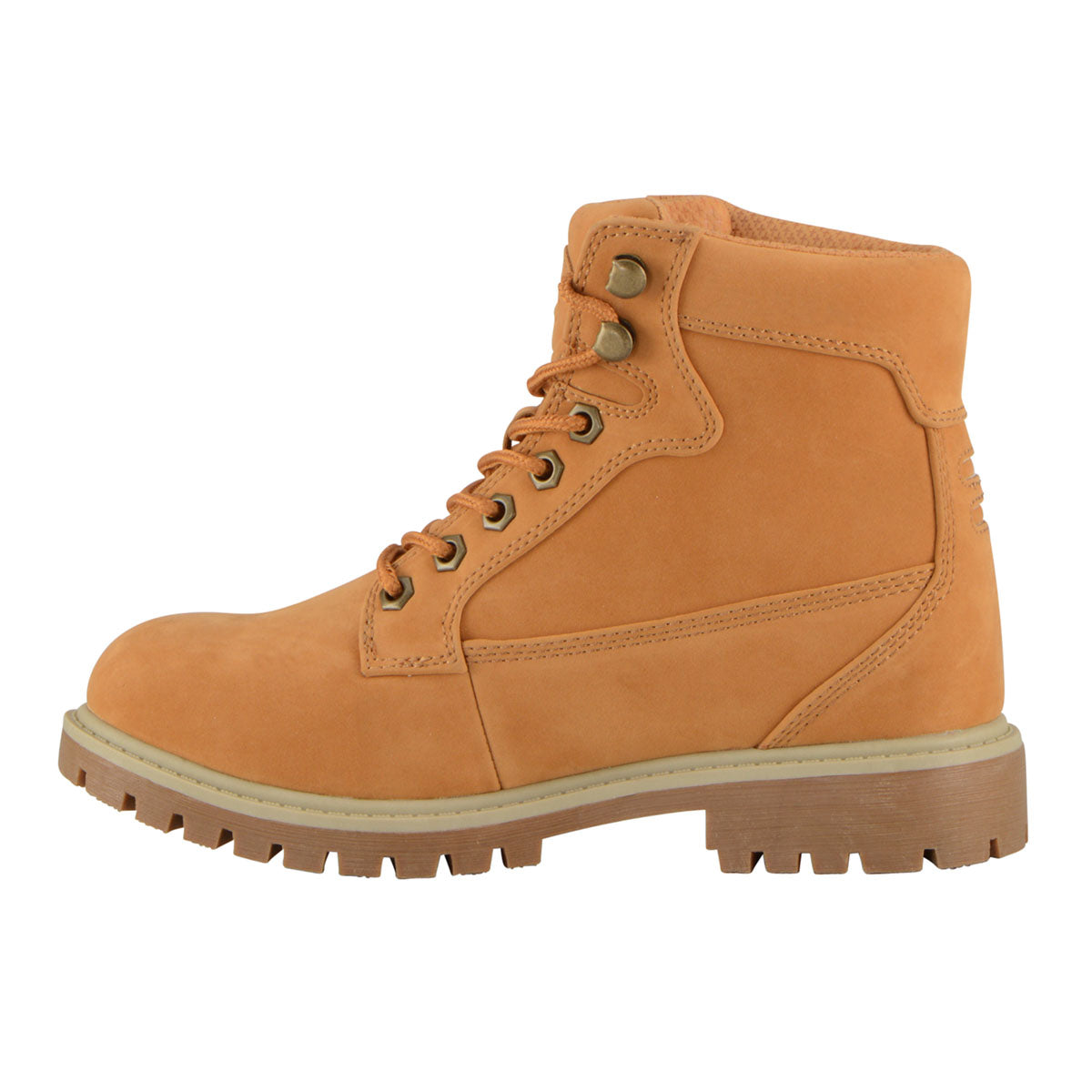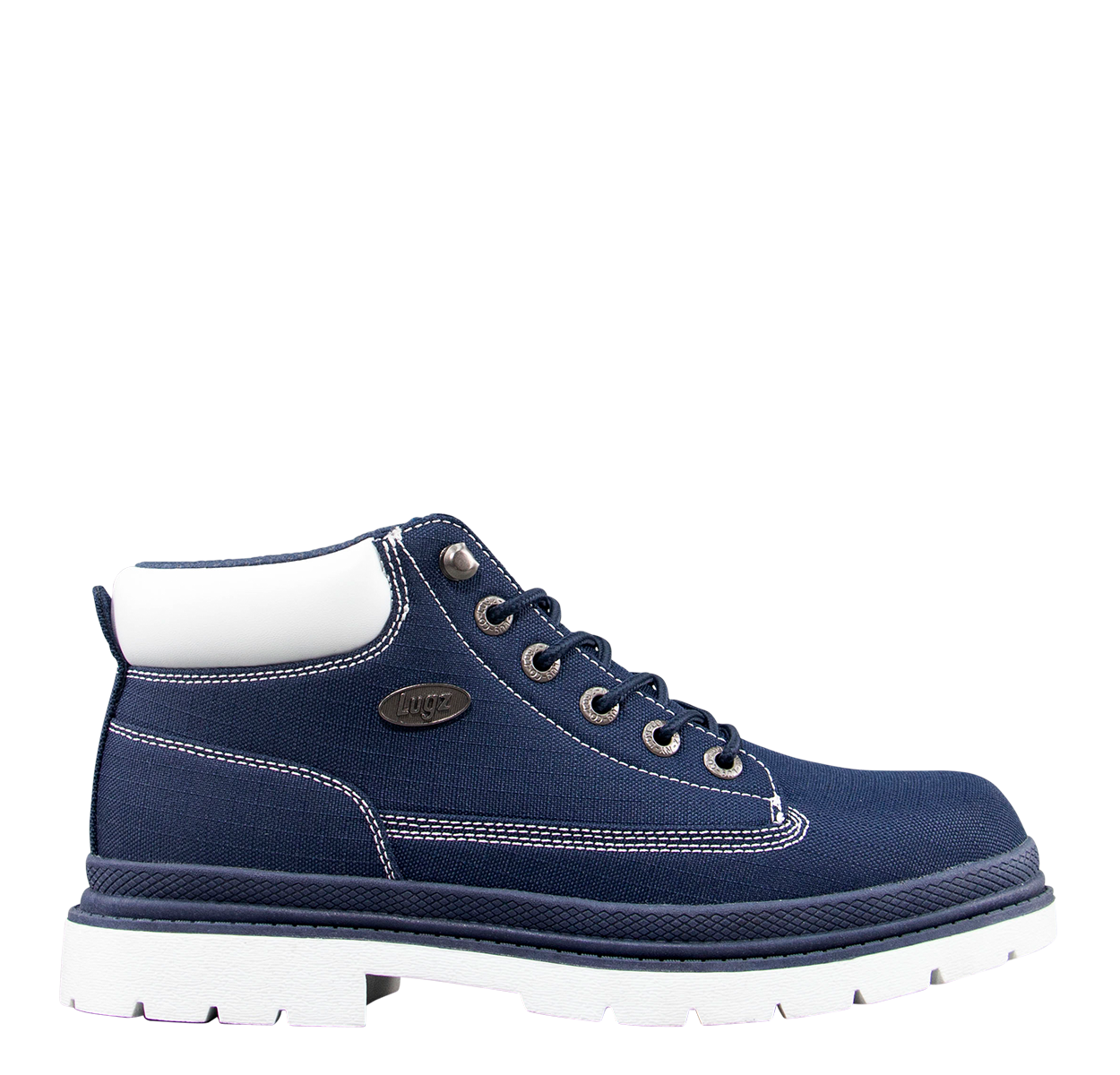
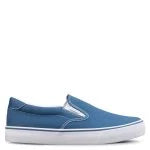
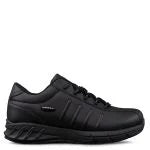
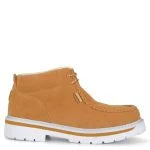
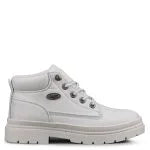

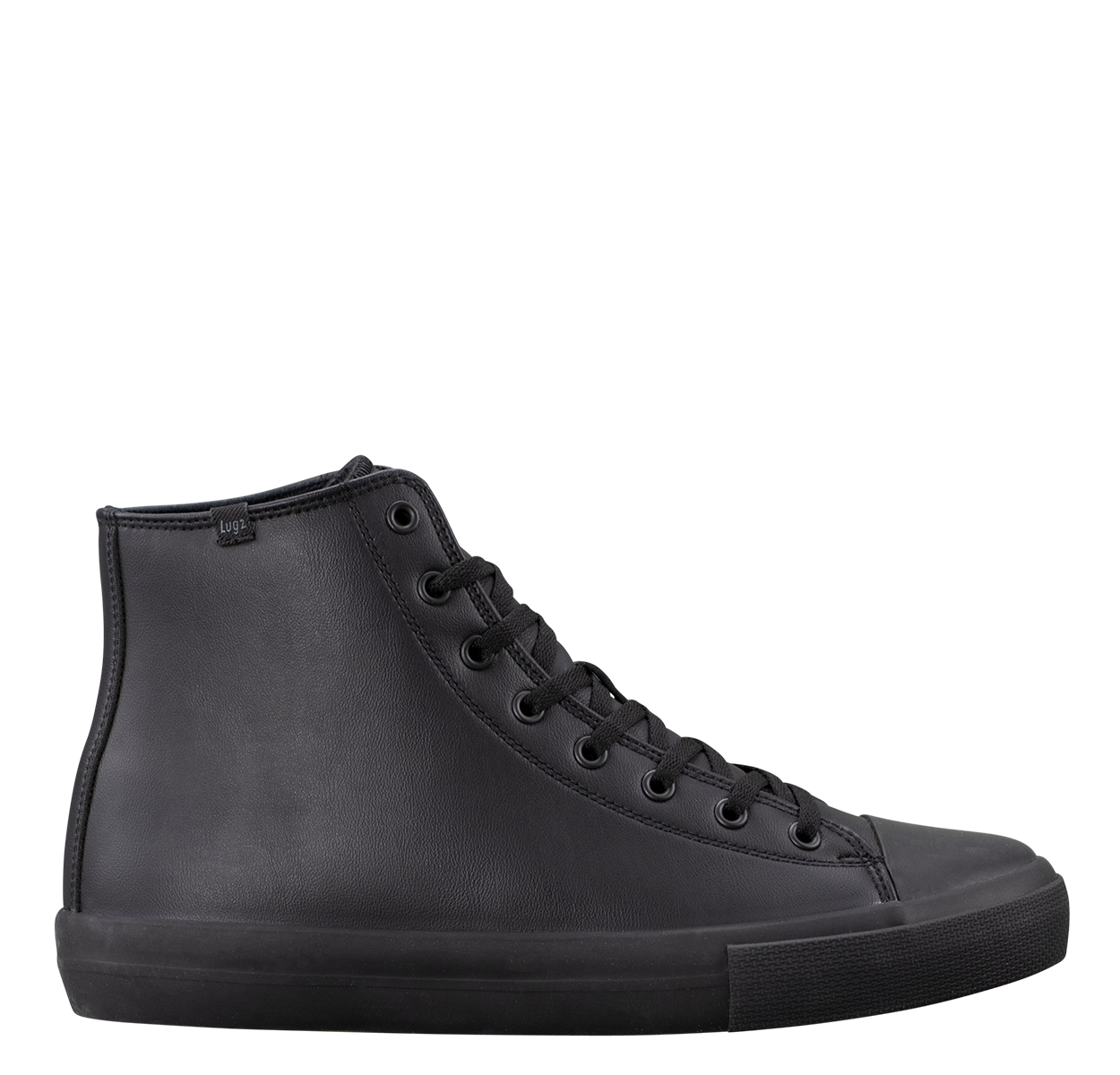
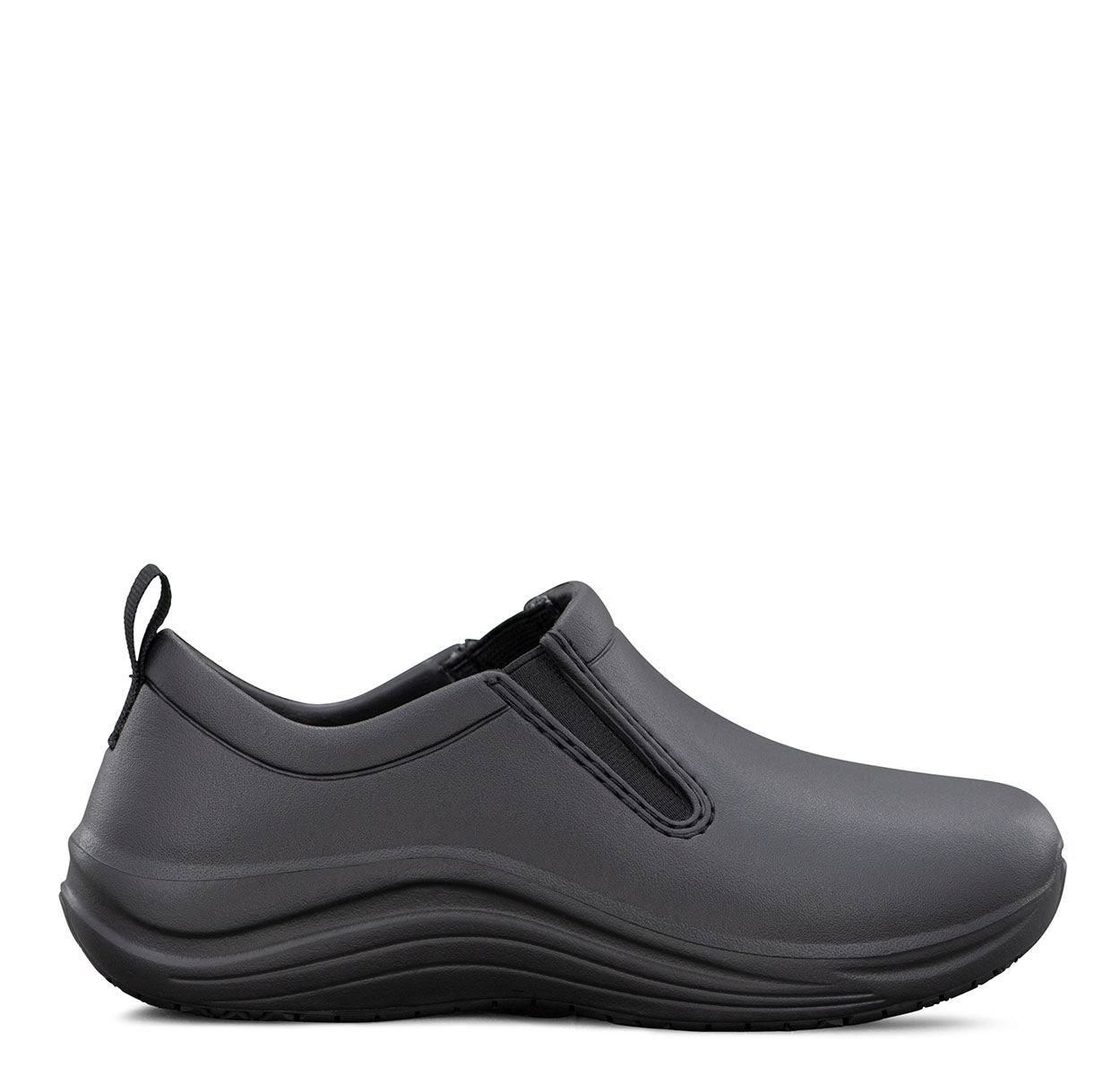
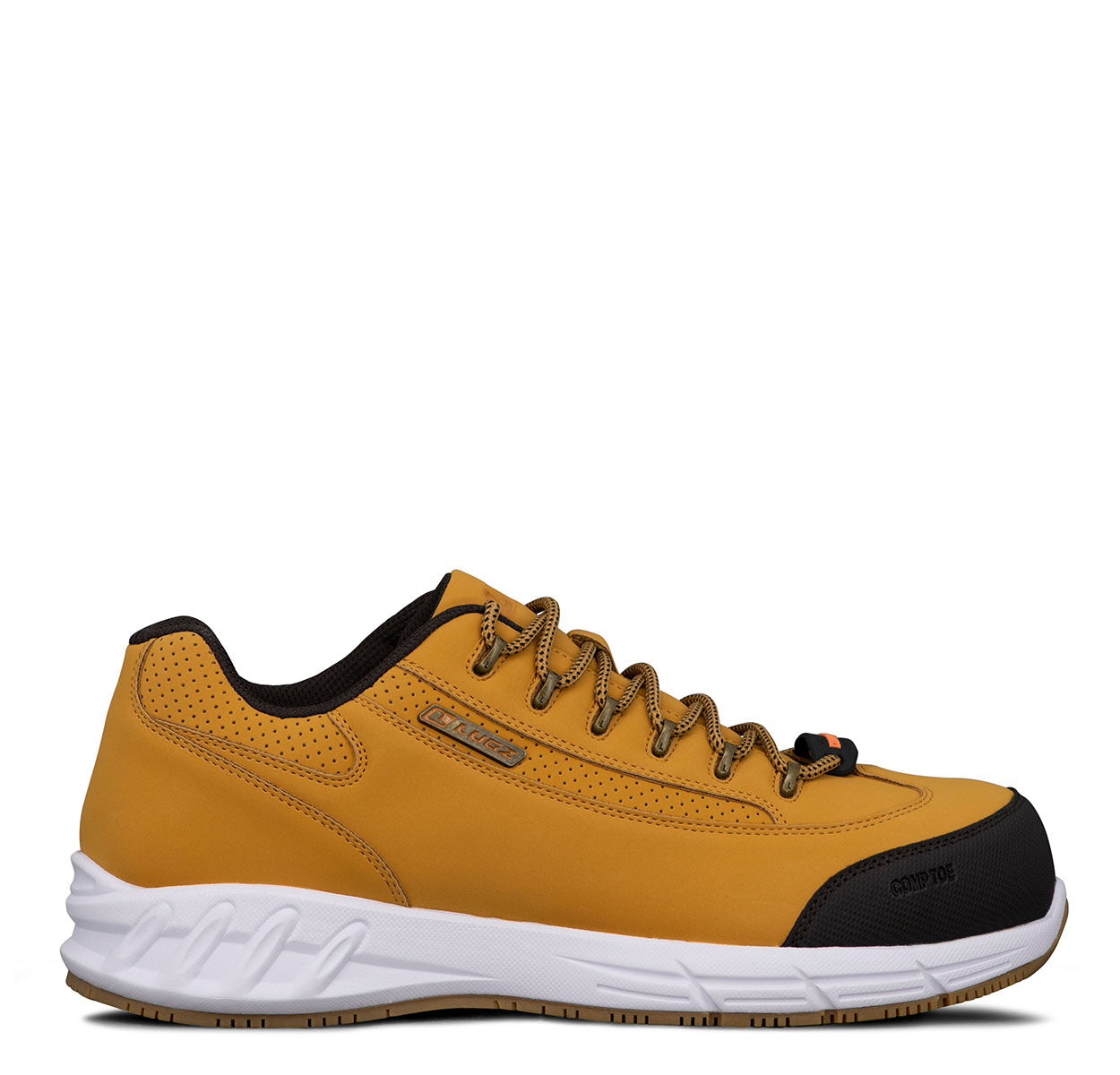


How to break in new boots without pain comes down to time, the right socks, and resisting the temptation to take a stiff pair on an eight-hour day right out of the box. The leather needs to flex around your foot, your foot needs to settle into the footbed, and rushing either one is how people end up with blisters and a pair of boots they hate.
This guide walks through the break-in process step by step, with a focus on what to do at home before you commit to a full day of wear. It applies to leather boots, work boots, and most other rugged styles in the Lugz boot lineup. Cowboy boots and some specialty leather work differently and need their own approach.
Why New Boots Hurt in the First Place
A new boot is stiff because the upper leather has not yet creased at the points where your foot bends. The insole has not compressed under your weight. The collar has not softened around your ankle. Quality leather is supposed to be stiff at the start. That is the same property that lets the boot keep its shape for years instead of breaking down in one season.
Pain during break-in usually comes from one of three places. The collar rubs the back of the heel. The toe box pinches across the ball of the foot. The flex point at the front of the boot does not match the flex point of your foot. Each one has a different fix, and the fixes get easier when you know which problem you have.
Recent research in the Journal of Athletic Training has overturned the old "heat and friction" model of how blisters form. The 2024 paper Friction Blisters of the Feet: A New Paradigm to Explain Causation shows that blisters actually come from repetitive shear deformation, the small back-and-forth movement between bone and skin. That's why "hot spots" matter: they're the early signal that shear is happening at one specific point, and if you keep walking, the shear repetition causes the blister.
If the pain is sharp or radiating up the foot, that is not a break-in issue. That is a sizing or fit issue, and no amount of breaking in will fix it. Trust the difference between mild stiffness, which fades, and actual pain, which does not.
How to Break In New Boots Step by Step
Breaking in a new pair of boots is a process measured in weeks, not days. The total wear time most boots need is between 20 and 80 hours of light use before they feel fully broken in. Working through these steps in order keeps the process manageable.

Step 1: Wear the Boots Around the House First
The first wear should be indoors on a soft surface for 30 to 60 minutes. Lace them up properly, walk around the house, sit down, stand up, climb stairs if you have them. This lets the leather start to flex under low stress, and it lets you spot problem areas before you are stuck outside in them.
If a hot spot develops, stop and take the boots off. The leather will keep softening tomorrow. Pushing through hot spots is how blisters form.
Step 2: Wear the Right Socks
A new boot needs a sock that does two things at once: cushions the pressure points and wicks moisture. A medium-weight wool or wool-blend boot sock is the right choice. Cotton socks trap sweat against the leather, which makes the friction worse and slows the break-in.
For the first few wears, some people layer a thin liner sock under a thicker boot sock. The two layers slide against each other instead of against your skin, which reduces blistering. This is a standard trick used by hikers and military boot wearers.
Step 3: Extend the Wear Window Gradually
After two or three indoor sessions, take the boots out for a short walk. Twenty minutes around the block. Then an hour at the grocery store. Then half a day. Then a full day. Adding two to three hours of wear time per session is a sustainable pace for most leather boots. New work boots may need longer.
Carry a backup pair of shoes for the first week of outside wear. If the new boots start to hurt halfway through the day, switch out. The break-in will continue when you put the boots back on tomorrow.
Step 4: Let the Boots Rest Between Wears
Do not wear the same new boots two days in a row during break-in. Your feet release moisture into the leather while you wear them, and the leather softens further as it dries. Wearing wet leather on day two creates more friction, not less.
A 24-hour rest day, with cedar shoe trees inserted if you have them, lets the boot return to a dry, neutral state before the next session.
Step 5: Condition the Leather (Carefully)
After three or four wears, a thin coat of leather conditioner on the trouble spots can help the leather flex faster. Apply with a soft cloth, rub it in, wipe off the excess. Do not soak the boot. Over-conditioning makes leather too soft, which shortens the life of the boot and weakens the structure around the ankle.
If the boot is a smooth full-grain leather, a conditioner like a neutral leather cream is the safe choice. Suede and nubuck need different products and should not be treated with the same conditioner used on smooth leather.
What Not to Do When Breaking In Boots
There is a lot of bad advice on the internet about how to break in a new pair of boots quickly. Most of it damages the boot or your feet, sometimes both.
-
Do not soak the boots in water. Wet leather stretches unevenly and dries out the natural oils. The boot will fit worse, not better, and the leather will crack faster.
-
Do not use a hair dryer or heat gun on the leather. Direct heat dries out the fibers and causes cracking.
-
Do not freeze water bags inside the boots. This is a popular YouTube trick. It stretches leather but also stresses the seams and the toe box, and it does not actually fix pressure points.
-
Do not wear the boots for a full eight-hour shift right out of the box. Even quality boots need progressive wear. Going straight to a full day on concrete is the fastest path to blisters.
-
Do not ignore sharp pain. Discomfort and stiffness are normal. Sharp pain, numb toes, or heel slippage that does not improve after a week are signs the boot does not fit, not signs the boot needs more breaking in.
How Long Does It Take to Break In New Boots
Most leather boots take between two and four weeks of regular wear to fully break in. The variables are the leather thickness, the boot construction, and how often you wear them. A casual chukka in soft leather might be comfortable after three or four wears. A heavy work boot with a thick upper and a stiff midsole can take a full month.
A rough wear-hours benchmark: 20 hours for a soft leather casual boot, 40 to 60 hours for a mid-weight boot, 60 to 100 hours for a heavy work boot. These are rough averages. Wider feet, narrower lasts, and unusual gait patterns can all extend the timeline.
If you are still uncomfortable after a month of regular wear, the boots probably do not fit. Most quality brands will exchange or refund within a reasonable return window, and Lugz offers a 60-day hassle-free return policy on full-price footwear.
Get Started with the Right Pair

The faster, less painful path through how to break in new boots starts with buying the right size from the start. Our men's boot collection includes wide-width options and a 60-day return window, which gives you room to test the fit at home before you commit. If you want to see everything else we make, our broader footwear lineup extends across women's styles, sneakers, and work footwear with the same focus on durable construction. Take the break-in process slow, use the right socks, and your boots will be a daily-wear pair by the end of the first month.