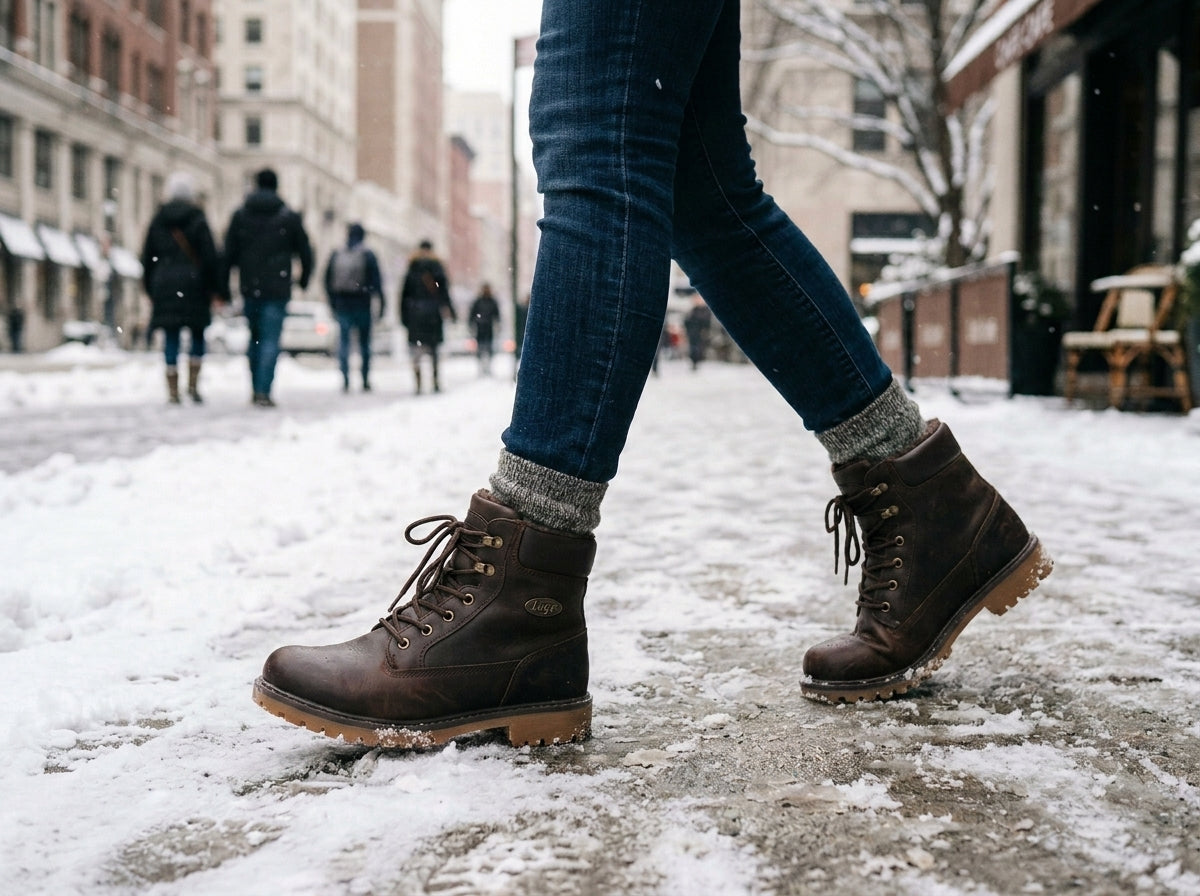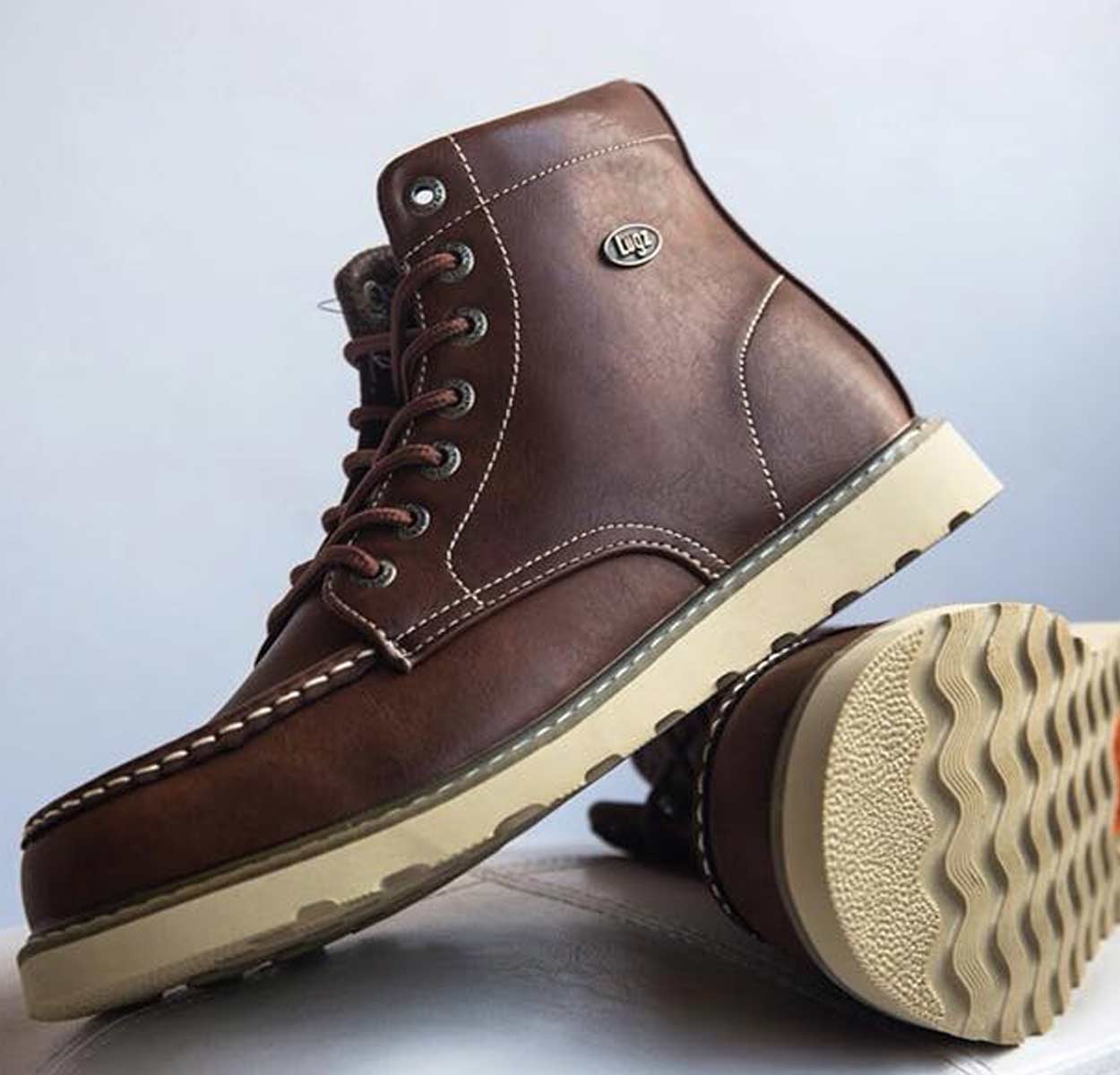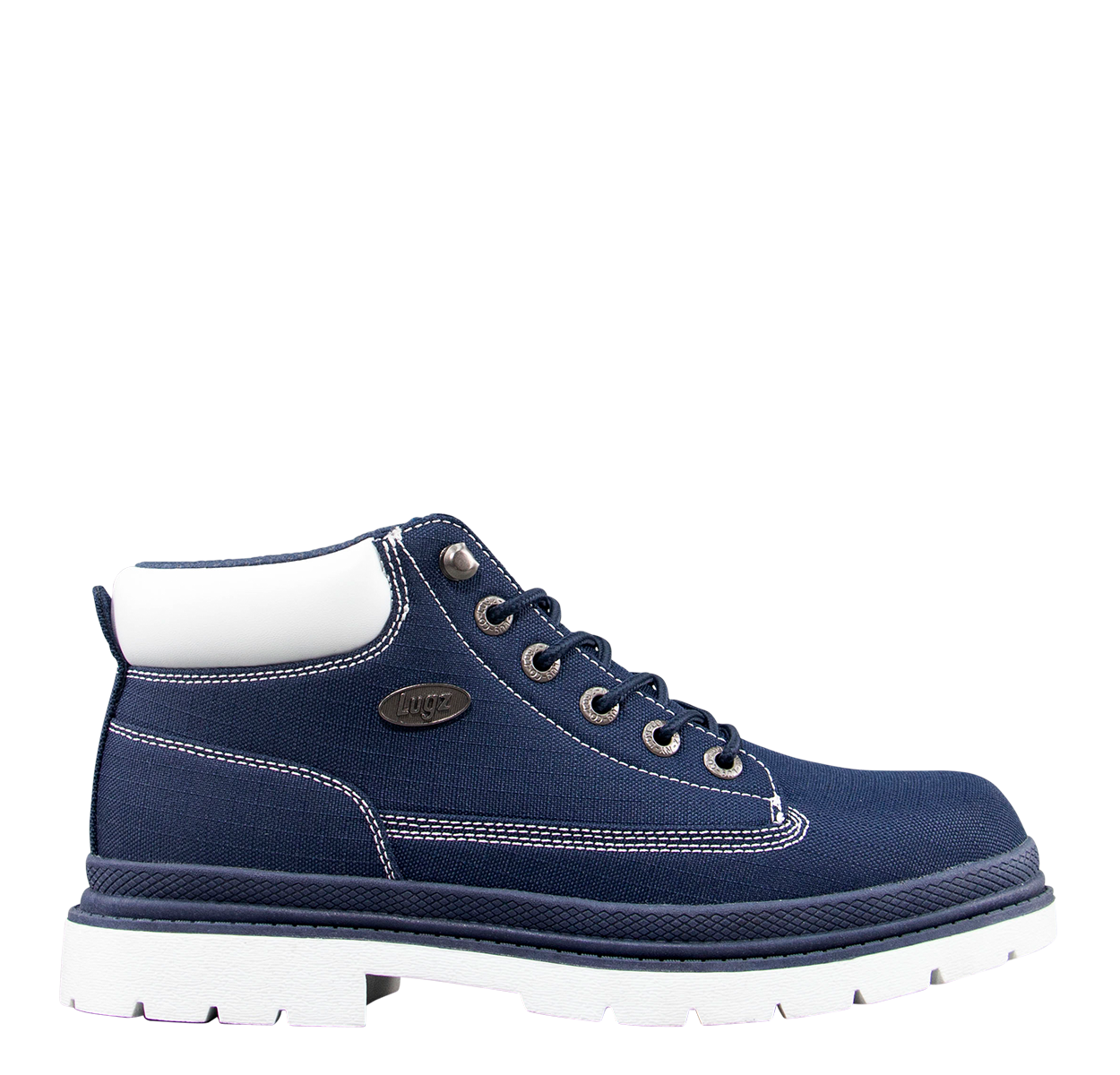
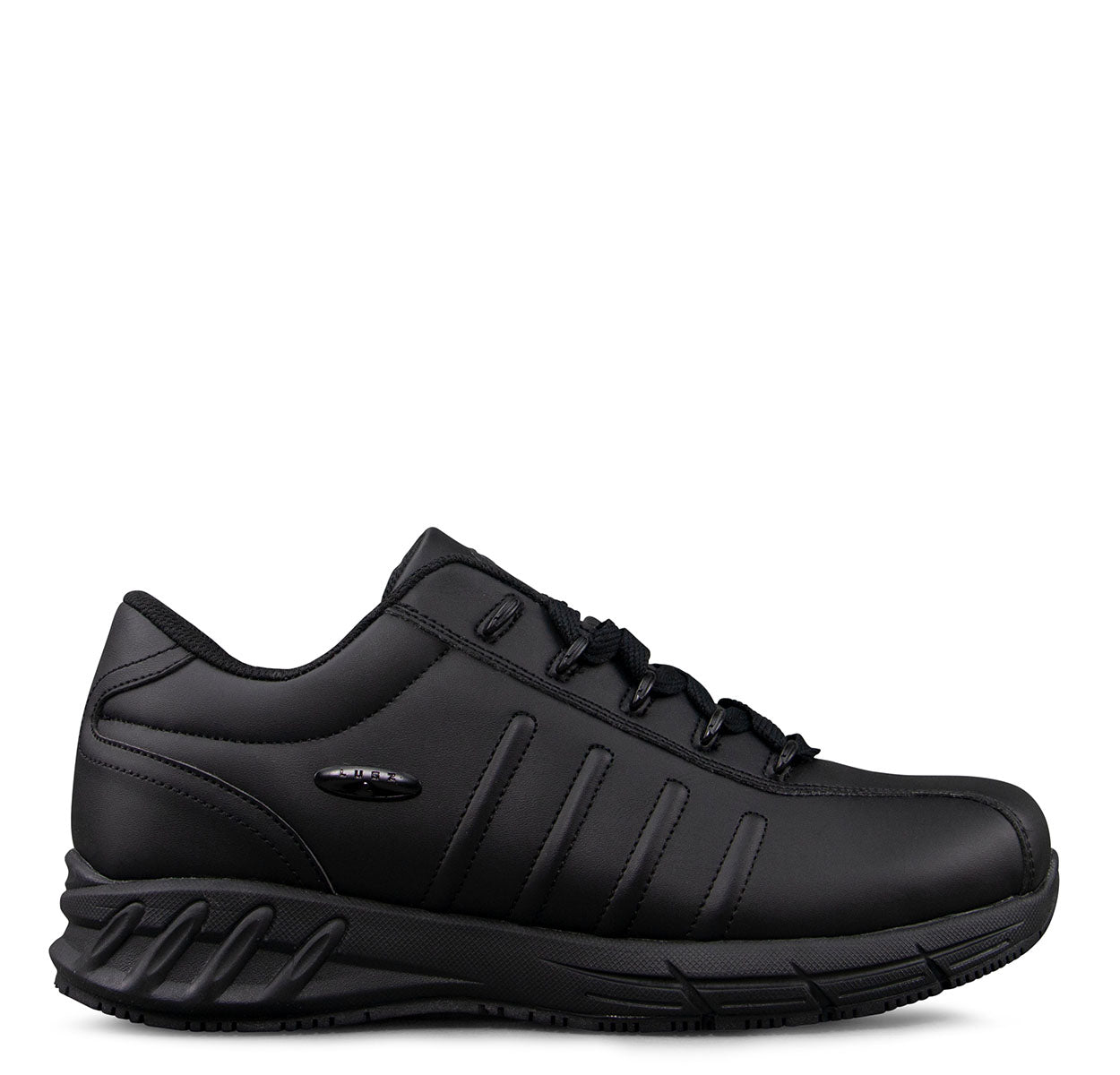
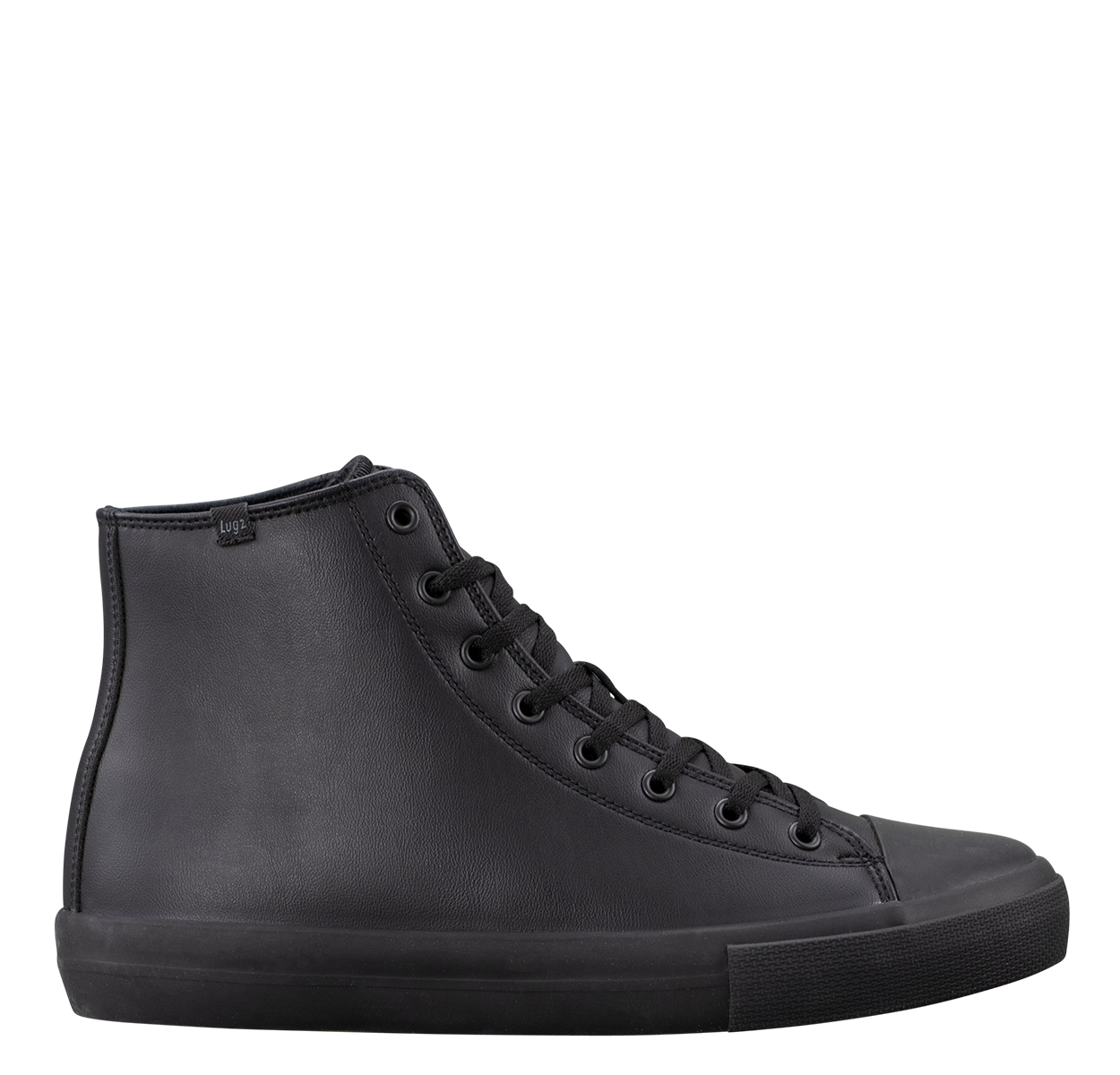
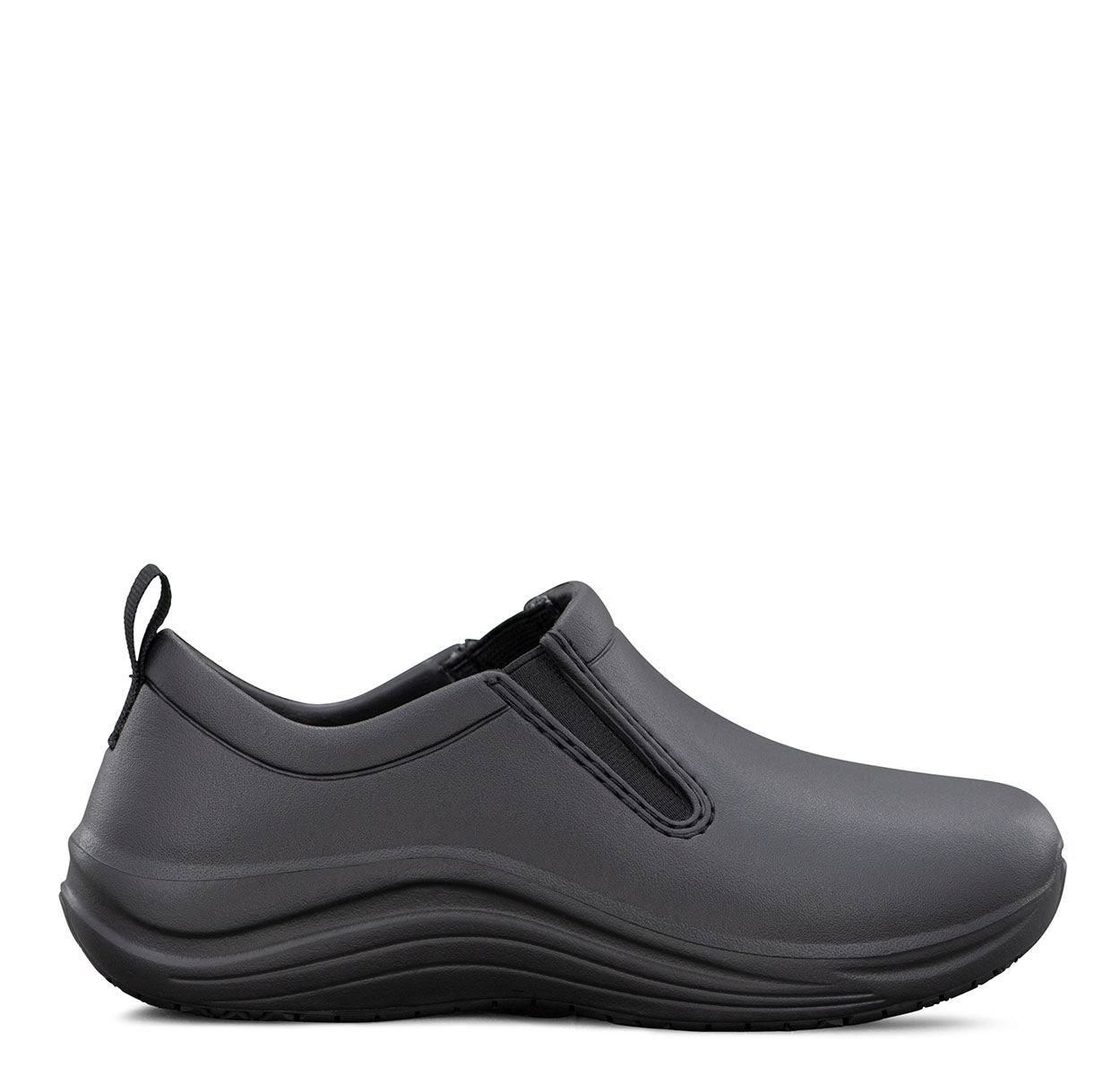
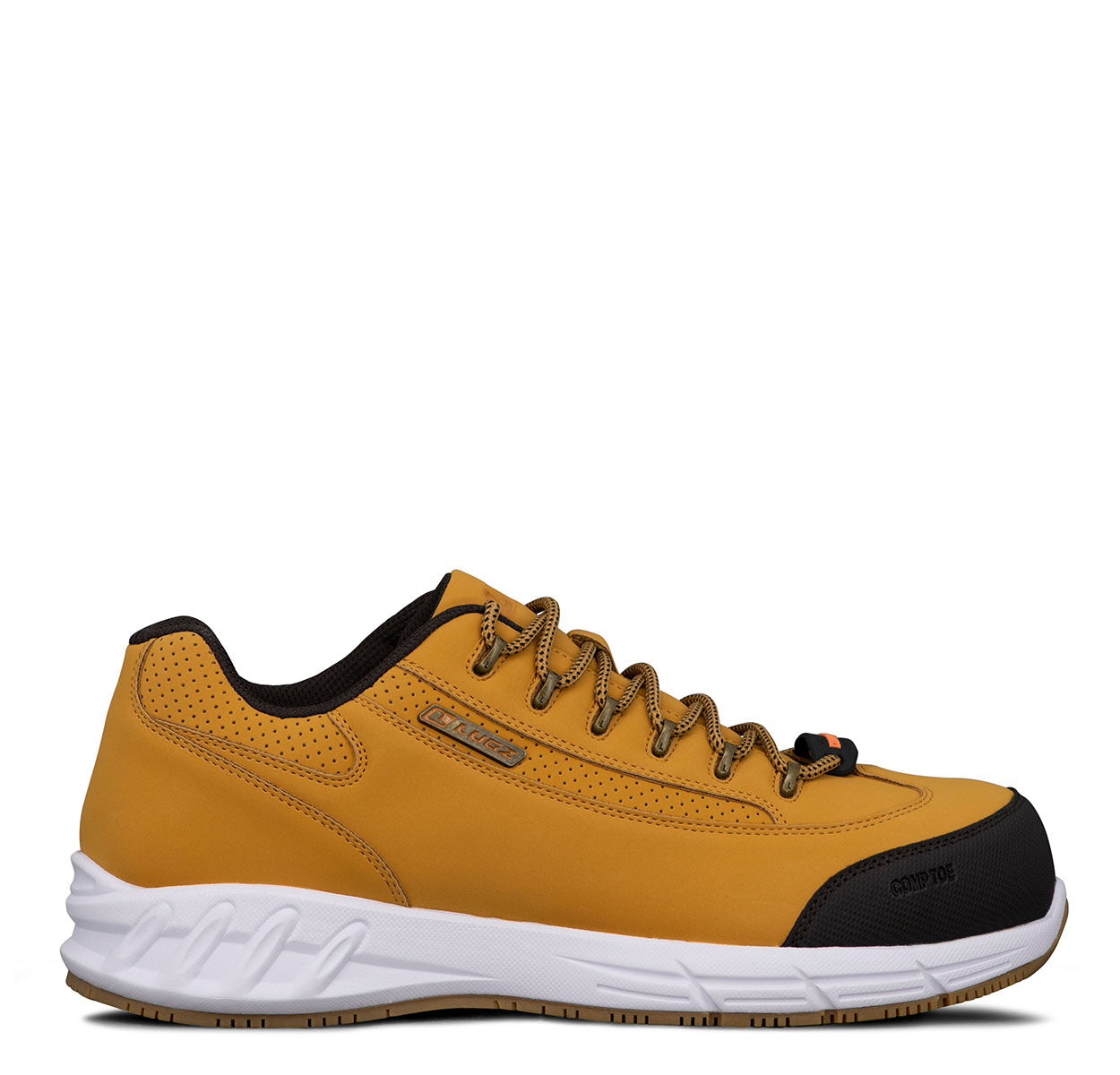


The best work boots for plantar fasciitis share a short list of features: arch support that holds shape under load, a cushioned heel that absorbs concrete impact, a firm heel counter that locks the foot in place, and a wide enough toe box to avoid forefoot squeeze. These features do not cure plantar fasciitis, but they reduce the mechanical strain on the plantar fascia during long shifts, which is one of the few footwear-level interventions backed by research. This guide covers what to look for, what to avoid, and which of our work boots actually deliver on those features. We've been building boots and work footwear for over 30 years, so a few of our styles are worth a look once you understand what features matter most.
Important medical note. Plantar fasciitis is a clinical condition that needs evaluation by a healthcare professional. This article describes general footwear features that may reduce strain on the plantar fascia during work shifts. It is not medical advice, not a diagnosis, and not a substitute for seeing a podiatrist, orthopedist, or physical therapist. If you are experiencing heel pain, especially first-step pain in the morning, talk to a doctor before assuming a new pair of boots will solve it.
What Plantar Fasciitis Is and Why Footwear Matters
The plantar fascia is a thick band of tissue that runs from the heel to the ball of the foot. When it gets overloaded, usually from long hours standing on hard surfaces, the tissue irritates and inflames at the heel attachment point. That is plantar fasciitis. The hallmark symptom is sharp pain on the bottom of the heel, worst with the first few steps in the morning or after long periods of rest.
According to guidance from the American Academy of Orthopaedic Surgeons, standing on hard surfaces for long periods is one of the most common risk factors for plantar fasciitis, particularly for healthcare workers, factory workers, and teachers. The same source identifies supportive shoes with thick soles and extra heel cushioning as a standard part of nonsurgical treatment.
A peer-reviewed cross-sectional study published in PubMed on the impact of routine footwear on plantar fasciitis found that the majority of diagnosed patients wore shoes with minimal heel height, thin soles, and no built-in arch support. The same study reported that patients in inappropriate footwear had more severe heel pain that limited daily activities. The takeaway: the wrong work boot is not just uncomfortable, it can be part of the cause.

What to Look for in Work Boots for Plantar Fasciitis
The features that matter on a work boot for plantar fasciitis are mechanical, not marketing. Five things to check before you buy:
Arch Support That Holds Shape
A supportive arch keeps the foot from collapsing inward during weight-bearing, which reduces the tension stretching across the plantar fascia. Look for a contoured footbed, not a flat insole. The arch should feel firm against your foot when you stand, not soft or squishy. Soft arches collapse under body weight and do nothing for plantar fascia tension.
If the boot's stock insole is flat or thin, swapping in an aftermarket orthotic insole is a common workaround. Many people with plantar fasciitis use a custom or pre-made orthotic across all their footwear.
Heel Cushioning That Absorbs Impact
Every step on concrete sends shock through the heel. A cushioned midsole, ideally with an EVA foam or anti-fatigue layer, absorbs that shock before it reaches the heel bone. A heel cup design in the insole adds extra impact dispersion at the spot where plantar fasciitis pain concentrates.
The OrthoInfo guidance notes that soft heel pads, heel cups, or heel wedges can provide extra support. A boot with these features built in cuts the need for separate inserts.
A Firm Heel Counter
The heel counter is the stiff structure at the back of the boot that holds your heel in place. If your heel slides around inside the boot, the foot has to work harder to stabilize, which stresses the plantar fascia. A firm heel counter (test by squeezing the back of the boot, it should not collapse) locks the heel down and lets the cushioning do its job.
A Slight Heel Lift
A flat work boot with no heel rise actually increases tension across the plantar fascia. A small heel lift (usually 10 to 20 mm above the forefoot) takes some load off the fascia. Most quality work boots have a heel lift built in, but some flat-soled chukka-style work boots do not. Check the side profile before buying.
A Wide Enough Toe Box
A cramped toe box forces the toes into an unnatural position, which changes how weight distributes across the foot and can worsen plantar fascia tension. Make sure your toes can spread inside the boot, especially at the ball of the foot. If you have wide feet, look for a wide-width option rather than sizing up the length.
What to Avoid in Work Boots for Plantar Fasciitis
Three categories of work boots to skip if you are dealing with heel pain:
-
Flat-soled boots with no heel lift. These increase plantar fascia tension. Avoid the chukka-style boots with completely flat outsoles.
-
Boots with soft, collapsible arches. A soft arch is worse than no arch. It compresses under your weight and provides no support.
-
Boots that are noticeably too tight or too loose. Both cause the foot to work harder to stabilize, which loads the plantar fascia.
Lugz Work Boots Worth Considering
The three styles below include several of the supportive features above. We're not marketing them as medical or therapeutic footwear, and they're not a substitute for a treatment plan from a healthcare professional. They're work boots that happen to include the kind of features useful to workers managing plantar fasciitis on long shifts.
Lugz Monterey Steel Toe Boot

The Monterey Steel Toe Boot carries a cushioned insole, a firm heel counter, and a slip-resistant outsole. The lace-up six-inch shaft secures the ankle, which helps reduce the stabilizing load on the foot. We'd point you here for warehouse, construction, or factory shifts where a steel toe is required.
Lugz Rapid Composite Toe

The Rapid Composite Toe is a lighter-weight option with a cushioned insole and a lower shaft. Composite toe protection (lighter than steel) reduces overall foot fatigue during long shifts. The chukka silhouette pairs well with a custom orthotic for additional arch support.
Lugz Empire Hi Water Resistant Boot

The Empire Hi Water Resistant 6-Inch Boot is a heavier-duty option for outdoor work environments. The padded collar and cushioned footbed handle long shifts, and the water-resistant build is useful for outdoor crews or any environment with wet surfaces.
If you don't need a safety toe, our broader men's work footwear collection includes slip-resistant oxfords and chukkas that share many of the same supportive features.
How to Use Work Boots as Part of a Plantar Fasciitis Care Plan
Footwear is one piece of plantar fasciitis management, not the whole picture. The OrthoInfo guidance notes that more than 90% of patients with plantar fasciitis improve within 10 months of starting simple treatment methods. Those methods usually include:
-
Stretching the calf and plantar fascia daily
-
Icing the heel after long shifts
-
Reducing activities that aggravate the pain
-
Using supportive shoes (the topic of this article)
-
Physical therapy if symptoms persist
A new pair of supportive work boots is most useful as part of this larger plan, not as a standalone fix. If you are dealing with daily heel pain, the first step is a conversation with a healthcare professional. The right boot helps you get through your shifts while the rest of the treatment plan does its work.
Related Reading and Where to Start
For broader work footwear guidance, our blog covers related topics including the top work shoes for men who stand all day and a comparison of composite toe versus steel toe. Our work footwear collection includes options across price points and protection levels. If you want to see everything we make outside of work boots, our broader footwear lineup extends across men's and women's casual styles, sneakers, and boots built on the same focus on durable construction.
A reminder: plantar fasciitis is a medical condition that needs professional evaluation. The right work boot can reduce strain during your shifts, but the lasting fix usually involves a combination of stretching, treatment, and the right footwear together. Start with a healthcare provider, then build the rest of the plan around their guidance.