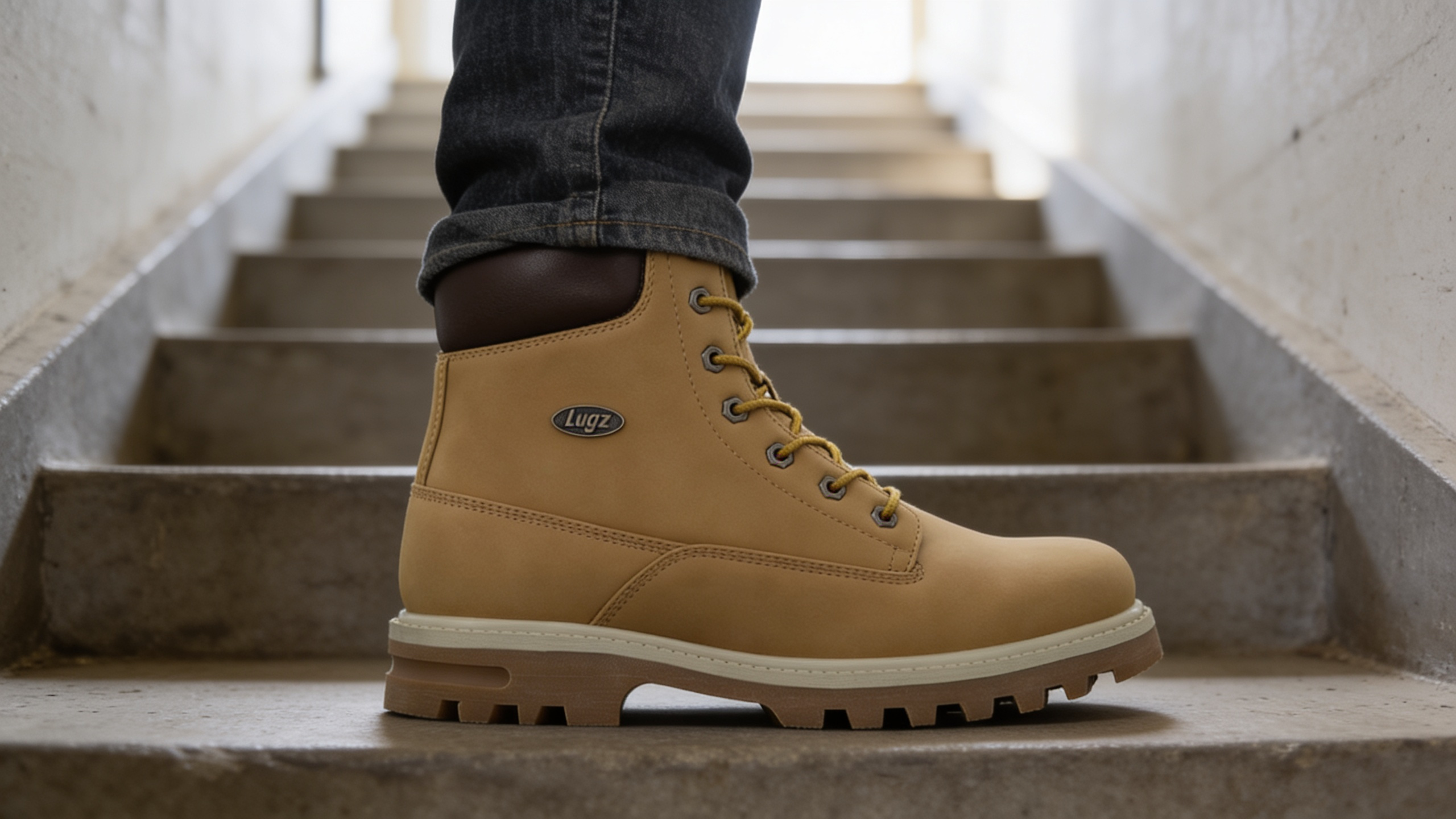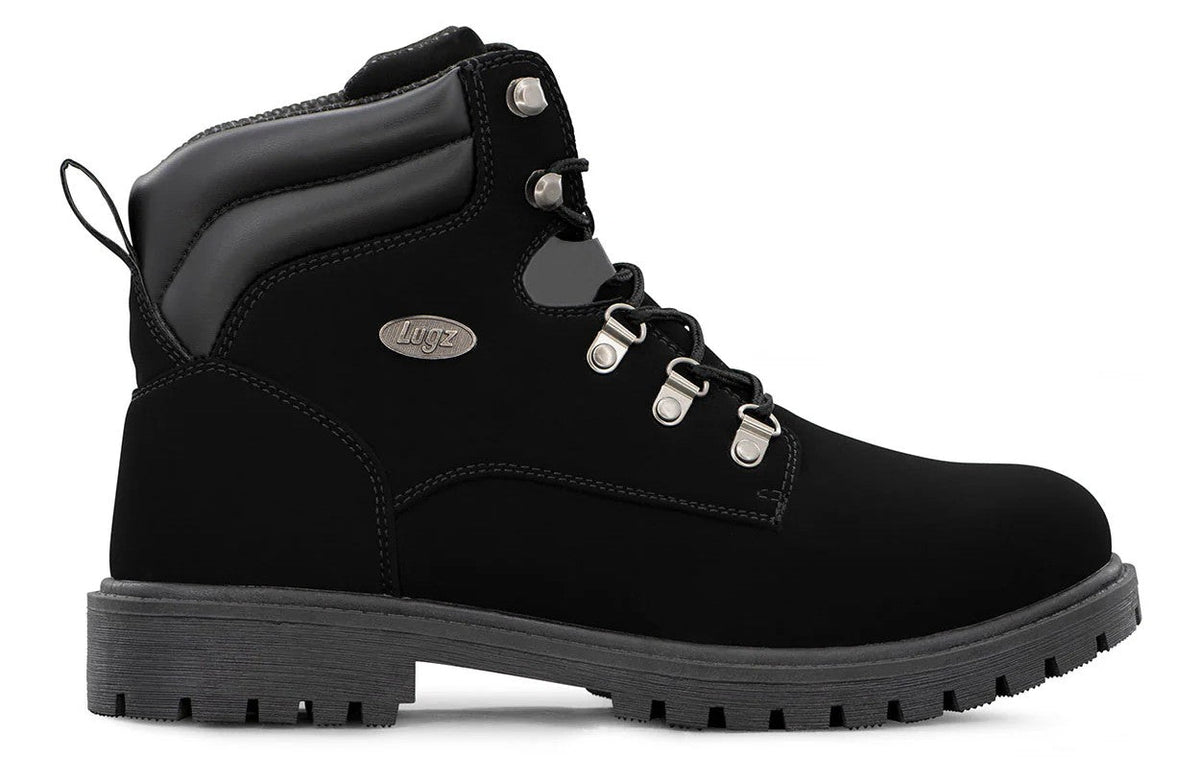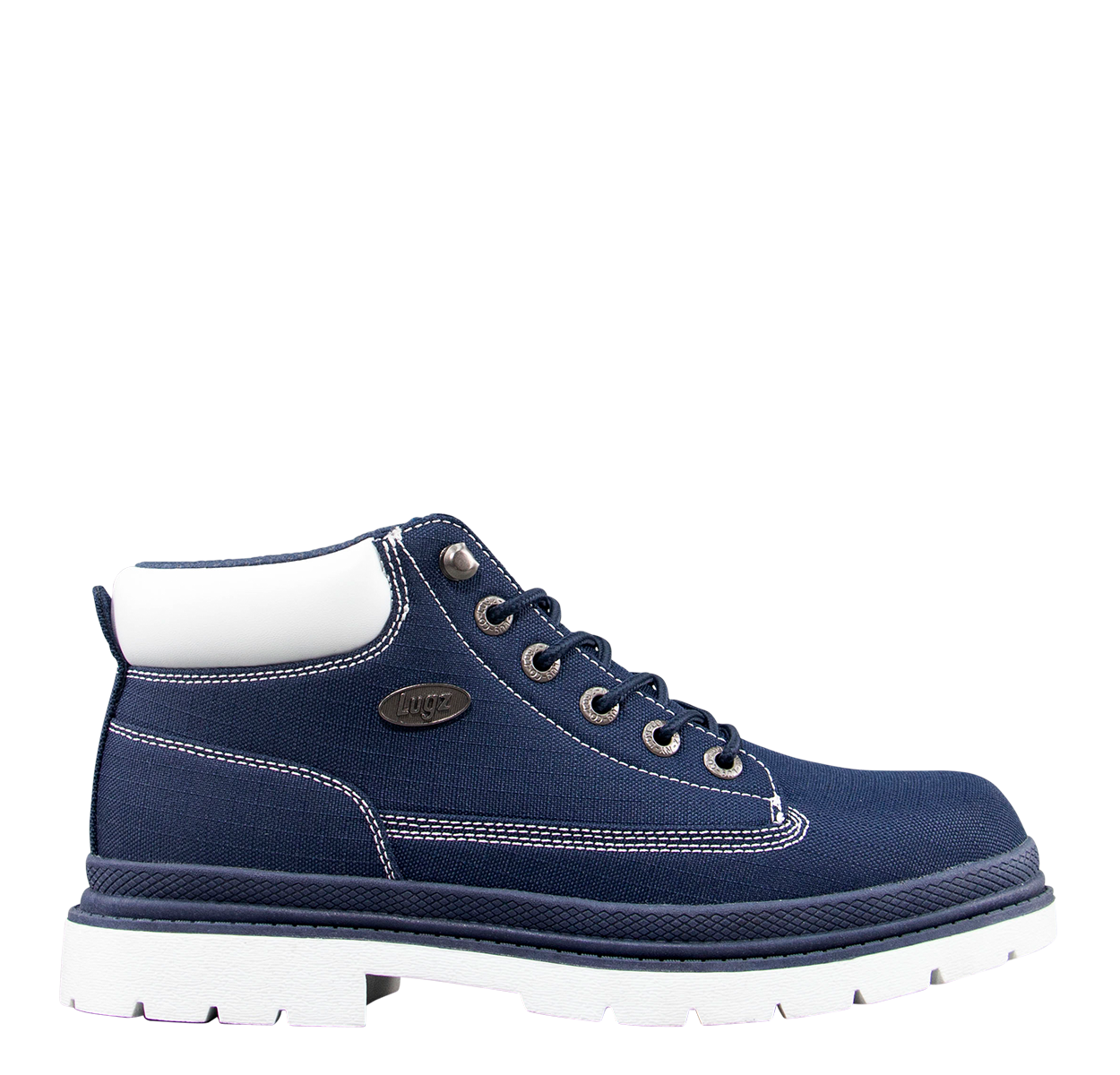
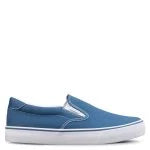
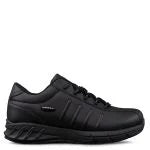
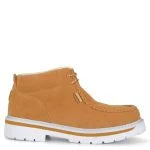
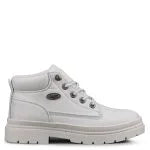
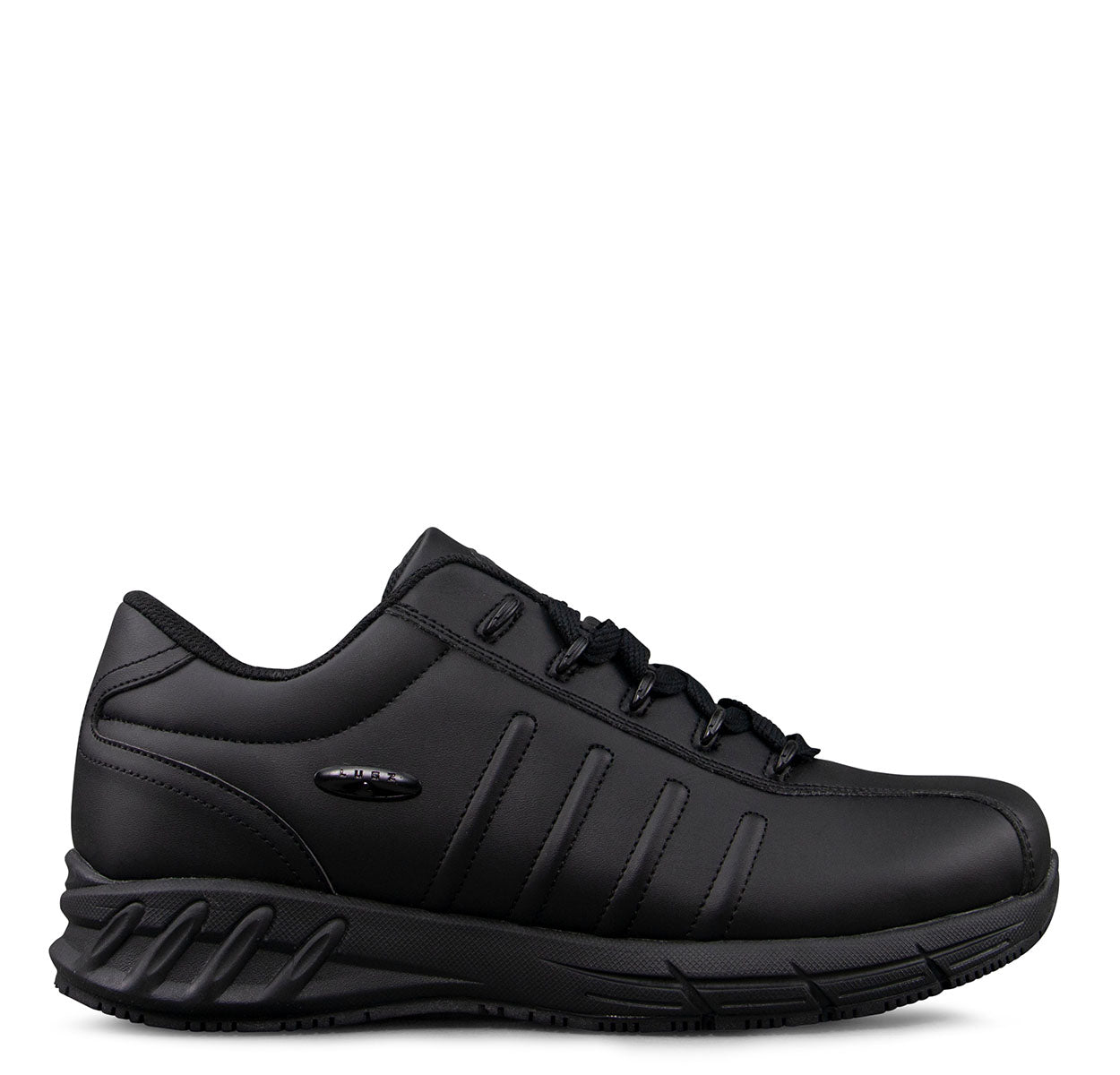
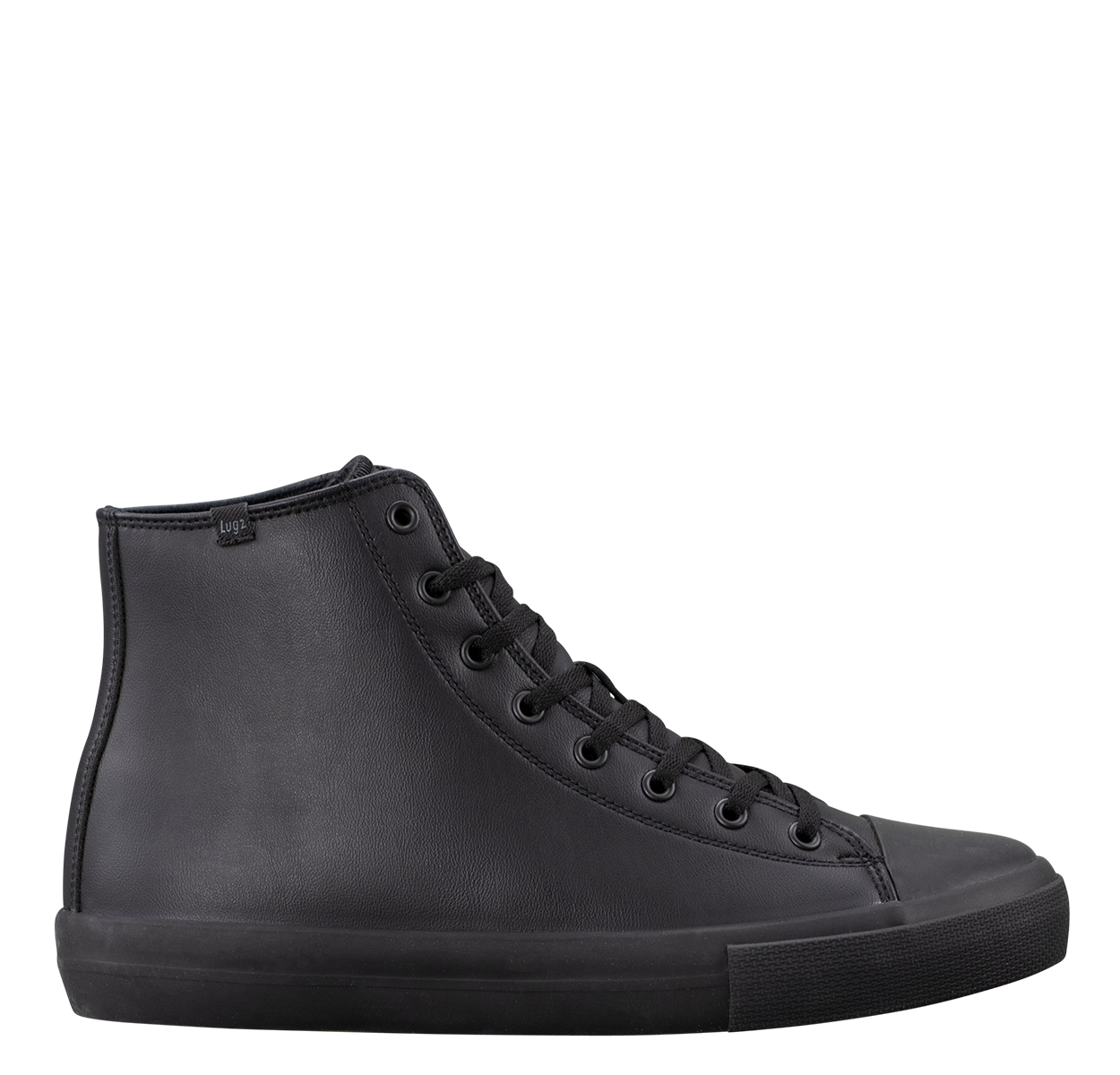
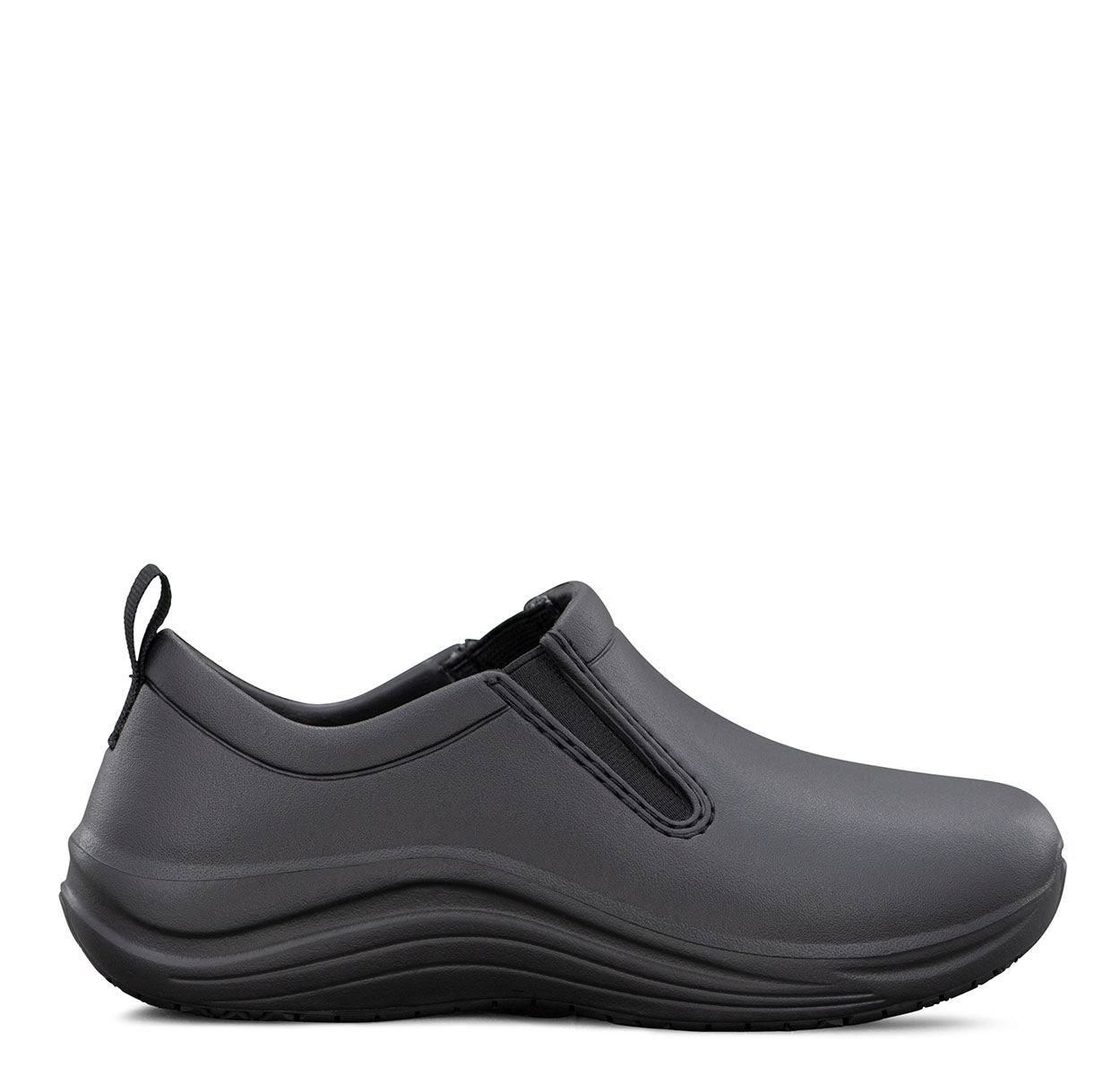
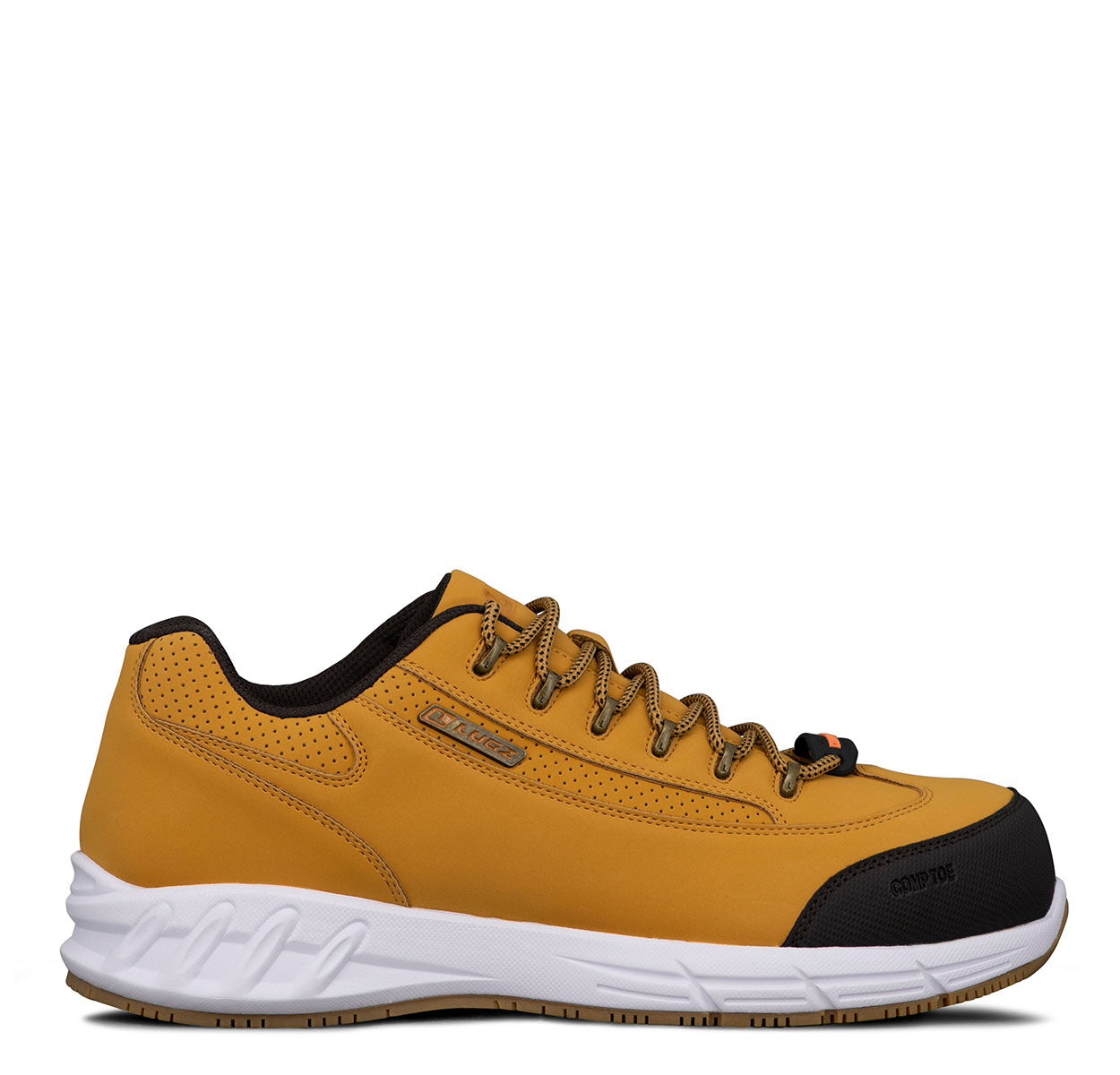


Men’s boot styles fall into four practical categories that cover almost every situation a guy will dress for: chukka, six-inch lace-up, work boot, and casual boot. Each style of boot for men is built on a different shape, fits into a different rotation, and works for different reasons. This guide walks through what makes each one work, how to wear it, and where it fits in a real wardrobe.
A boot is the most versatile piece of footwear most men own. The same pair can carry you from the office to a Saturday dinner if you understand what shape, height, and finish do for an outfit. Trends in boots move slower than trends in sneakers, which is part of why building a small collection of Lugz boots and footwear from a brand that's been making them for three decades pays off over time. Below, the boot styles for men that actually do the work, in plain terms.
The Four Boot Styles That Cover Almost Everything
The men's boot world is full of niche silhouettes, but four shapes cover most of the day-to-day. If you own one well-fitting pair from each, you can dress for almost anything short of a black-tie event.
These styles for men are not seasonal. They are the foundation. Designers iterate on materials, soles, and finishes year to year, but the silhouettes themselves have been around for decades and will outlast whatever boot trend is currently on TikTok.
Chukka Boots

A chukka is an ankle-height boot, usually with two or three pairs of eyelets, a soft toe shape, and a clean profile. The shaft sits just above the ankle bone, which is what makes it work with both jeans and tailored trousers without looking out of place.
How to wear it. Pair a chukka with dark indigo jeans and a button-down for a casual office. Swap the button-down for a crewneck and a field jacket and the same boot reads weekend. With chinos and a sport coat, the chukka does a smart-casual job that a sneaker cannot.
Why it works. A chukka is the easiest boot to integrate into outfits that are not built around the boot. It does not demand attention. If you're looking for a starting point, the Lugz Mantle Mid Boot is a clean read on the silhouette and pairs with almost anything in a smart-casual wardrobe. For a bolder, limited-edition take, the Ridgeline Ghost Chukka Boot brings the same profile with standout detailing.
Six-Inch Lace-Up Boots

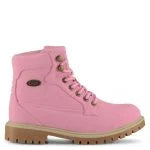
The six-inch lace-up is the boot that built the Lugz name. Shaft sits six inches above the heel, fully laced through the top, usually on a rugged outsole. It is a heavier boot than a chukka, with more weather coverage and more presence under jeans.
How to wear it. This is a denim boot first. Cuffed straight-leg or tapered jeans, a heavy crewneck or henley up top, and a work jacket or peacoat in cold weather. Avoid pairing six-inch lace-ups with anything dressy. The proportions fight tailored trousers.
Why it works. A six-inch lace-up handles winter sidewalks, late-night dog walks, and any commute where the weather might turn. It also reads as the most masculine boot shape in a casual rotation, which is part of why the silhouette has stayed in the Lugz catalog since the early nineties. The Mantle Hi Boot has been the Lugz answer to six-inch boots for years, and the proportions still hold up.
Work Boots

A work boot is built around the job site, not the outfit. Safety toe (steel or composite), slip-resistant outsole, often a higher shaft for ankle support. These are functional boots first, but they carry style if you know what to do with them.
How to wear it. Off the job, a work boot pairs with straight-leg jeans, a flannel shirt, and a quilted vest or chore coat. The vibe is honest and rugged, not costume. Avoid wearing safety-toe boots with tailored anything. The toe shape is bulkier than a dress boot and the silhouette telegraphs work, which is the point.
Why it works. If your job needs a safety toe, this boot is doing two jobs at once: protecting your feet on the clock and reading as workwear off it. Even if you do not work a trade, a moc-toe or roundup work boot is a strong winter rotation piece. For the Lugz pair, the Monterey Steel Toe Boot (steel) or the Rapid Composite Toe (lighter, composite) are both built for daily wear on a job site.
Casual Boots and Slip-On Styles

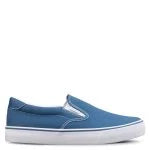
Casual men's boot styles cover the in-between: low-shaft boots, slip-on silhouettes, oxford boots, and other styles that do not slot cleanly into chukka, six-inch, or work boot. These are the boots that read weekend without trying.
How to wear it. Slim or straight jeans, sweatshirt or knit, denim or canvas jacket on top. The casual boot is a no-effort answer when the weather is too cold for a sneaker but the day does not need a heavier boot.
Why it works. A casual boot extends boot season into shoulder weather. It is also the easiest entry point into boots for guys who normally live in sneakers. The Lugz Drifter Lx Boot is the easiest answer here, with a low shaft and a soft enough leather that it slots into a sneaker rotation without much friction.
How to Pick the Right Boot Style for Your Outfit
Knowing the different styles of men’s boots is half the puzzle. The other half is matching the boot to the outfit you already wear, not buying a boot you have to build a wardrobe around.
Start with the rest of your wardrobe. If you live in straight-leg jeans and crewnecks, a chukka or a six-inch boot is the safe bet. If you wear chinos and button-downs most days, lean chukka. If your job needs a safety toe, the work boot is already chosen for you. If you mostly wear sneakers and want to extend into boot weather, a casual or slip-on boot is the lowest-friction starting point.
Then think about color and finish. Brown leather is the most versatile across outfits. Black reads dressier and pairs harder with dark denim and tailored looks. Distressed or weathered finishes lean casual. Smooth, polished leather leans dressy. A medium-brown chukka in suede or smooth leather will pair with more outfits than any other single boot in a men's wardrobe.
How to Wear Different Boot Styles Without Looking Forced
The biggest mistake men make with boots is treating them like statement footwear. A boot should look like part of the outfit, not the whole outfit. A few practical rules:
-
Match the formality of the boot to the formality of the outfit. A six-inch lace-up with a blazer reads off. A chukka with a flannel and jeans reads natural.
-
Cuff or hem jeans to sit just above the boot collar. Jeans that bunch on top of the boot kill the proportions of any boot style.
-
Avoid loud sock choices when you can see the sock above the boot. Solid dark socks vanish into the boot and let the outfit do the talking.
-
Let the boot break in. New boots look stiff for the first two weeks. The right boot looks better in month six than it does on day one.
How to Care for Your Boots So They Last
A well-built boot can last five to ten years if you treat it right. The basics are not complicated. Wipe off salt and dirt after every wear. Condition the leather every two or three months in winter. Let wet boots dry naturally, not next to a heater. Use cedar shoe trees if you can. Resole when the outsole starts to thin, instead of replacing the boot.
The reason these care steps matter is that the upper leather on a quality boot will outlast the outsole by years. If you protect the upper, the boot is repairable for the rest of its life.
Building Your Boot Rotation with Lugz
Three decades of making boots has taught us which silhouettes do the work. Whether you're starting your first boot rotation or replacing a pair that's done its time, our men's boots collection covers chukka, six-inch, work boot, and casual silhouettes in materials built to last. If you want to see everything we make, our broader footwear lineup extends across women's styles, sneakers, and work footwear with the same focus on durable construction. Look for the silhouette that fits the way you already dress, not the one with the loudest marketing.