

Your boots serve as the primary defense against crushing injuries. While steel toes defined the industry for years, composite materials now challenge that standard.
This decision requires calculating weight, temperature, conductivity, and electrical risk. A poor choice can lead to fatigue, create compliance issues, or leave you vulnerable to specific hazards.
We eliminate technical differences to help you secure the right protection for your job site.
This guide covers:
-
Key differences between composite-toe and steel-toe boots
-
How to match safety toe boots to your work environment
-
Expert-backed advice on compliance and comfort
-
The best Lugz safety toe options for every job
P.S. Lugz has over 30 years of heritage in crafting durable, timeless footwear. Our philosophy is that style starts from the ground up, and our customer service team is dedicated to making your shopping experience smooth and satisfying. Whether you need legendary boots for tough jobs or trendy shoes for street style, Lugz delivers comfort, quality, and reliability.
Quick-Glance Table: Composite Toe vs Steel Toe Boots
|
Feature/Criteria |
Composite Toe Boot |
Steel Toe Boot |
|
Main Material |
Non-metallic (fiberglass, carbon fiber, Kevlar) |
Steel alloy |
|
Weight |
Lighter than steel toes |
Heavier, especially in larger sizes |
|
Safety Standards |
Meets required impact/compression standards |
Meets required impact/compression standards |
|
Comfort in Cold/Heat |
Insulates better, doesn’t conduct temperature |
Conducts cold/heat, can feel colder in winter |
|
Security Screening |
Metal-free, passes through detectors |
Triggers metal detectors |
|
Durability |
Resistant to corrosion, won’t dent |
Extremely durable, can dent under extreme force |
|
Cost |
Often more expensive than steel |
Usually less expensive |
|
Best For |
Electrical, security, extreme weather, and lighter use |
Heavy-duty construction, where maximum protection is needed |
What Is a Safety Toe Boot?
Safety toe boots are essential personal protective equipment (PPE) for workers in construction, manufacturing, warehousing, and other high-risk environments.
These boots feature reinforced toe caps designed to protect against impact and compression injuries, which are among the most common workplace hazards.
-
Steel-toe boots have been the industry standard for decades, offering robust protection against heavy falling objects and compression.
-
Composite toe boots use advanced non-metallic materials like fiberglass, carbon fiber, or Kevlar, providing similar protection with less weight and better insulation.
-
Alloy toe boots (less common) use lightweight metals such as titanium or aluminum, balancing strength and weight.
-
Nano toe boots are an emerging category that uses nanotechnology for even lighter, stronger protection.
Comfort That Works As Hard As You Do.
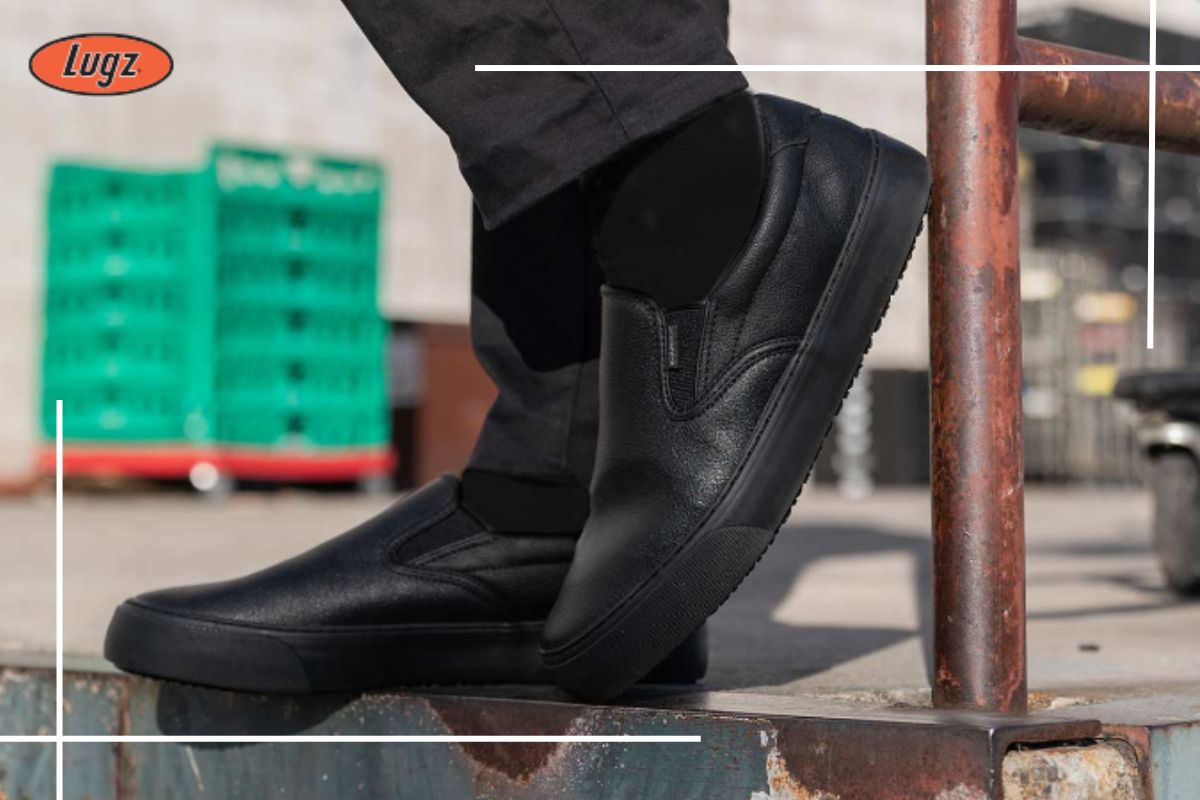
Built with cushioned insoles, supportive uppers, and slip-resistant outsoles, Lugz work shoes help keep every step steady and comfortable through your longest shifts.
Shop Work & Slip-Resistant StylesSteel Toe Boots: Pros, Cons, and Best Uses
Steel-toe boots are the traditional choice for maximum toe protection in hazardous work environments. Their steel-toe caps are designed to withstand significant impact and compression, making them ideal for construction, heavy manufacturing, and jobs where falling objects are a risk.
-
Pros: Steel-toe boots are highly durable, offer the highest level of impact protection, and are often more affordable than composite alternatives. They are widely accepted in all industries and meet or exceed workplace safety requirements.
-
Cons: Steel-toe boots are heavier, which can lead to fatigue during long shifts. They conduct heat and cold, making them less comfortable in extreme temperatures. Steel can also trigger metal detectors, which is a concern in security-sensitive workplaces.
-
Best Uses: For construction, demolition, or heavy equipment operation, steel-toe boots are a reliable choice. If you’re searching for options that blend classic workwear style with proven protection, you’ll find a variety of steel-toe boots in the men’s work footwear collection and the men’s boots lineup.
Composite Toe Boots: Pros, Cons, and Best Uses
Composite toe boots are engineered for workers who need protection without the weight and temperature conductivity of steel. Made from non-metallic materials, these boots are lighter and often more comfortable for all-day wear.
-
Pros: Composite toe boots are lighter than steel, do not conduct heat or cold, and are ideal for workers who pass through metal detectors. They provide excellent insulation, making them suitable for electrical work and extreme weather conditions.
-
Cons: Composite toe caps are typically bulkier than steel caps to achieve the same level of protection, and they can be more expensive. While they meet the same safety standards, they may not withstand repeated heavy impacts as well as steel.
-
Best Uses: Composite-toe boots are ideal for electricians, airport workers, security personnel, and anyone working in environments with metal detectors or extreme temperatures.
If you’re looking for lightweight, non-metallic protection, browse the slip-resistant collection for composite toe options that keep you comfortable and compliant.
Protection That Doesn't Compromise on Comfort.
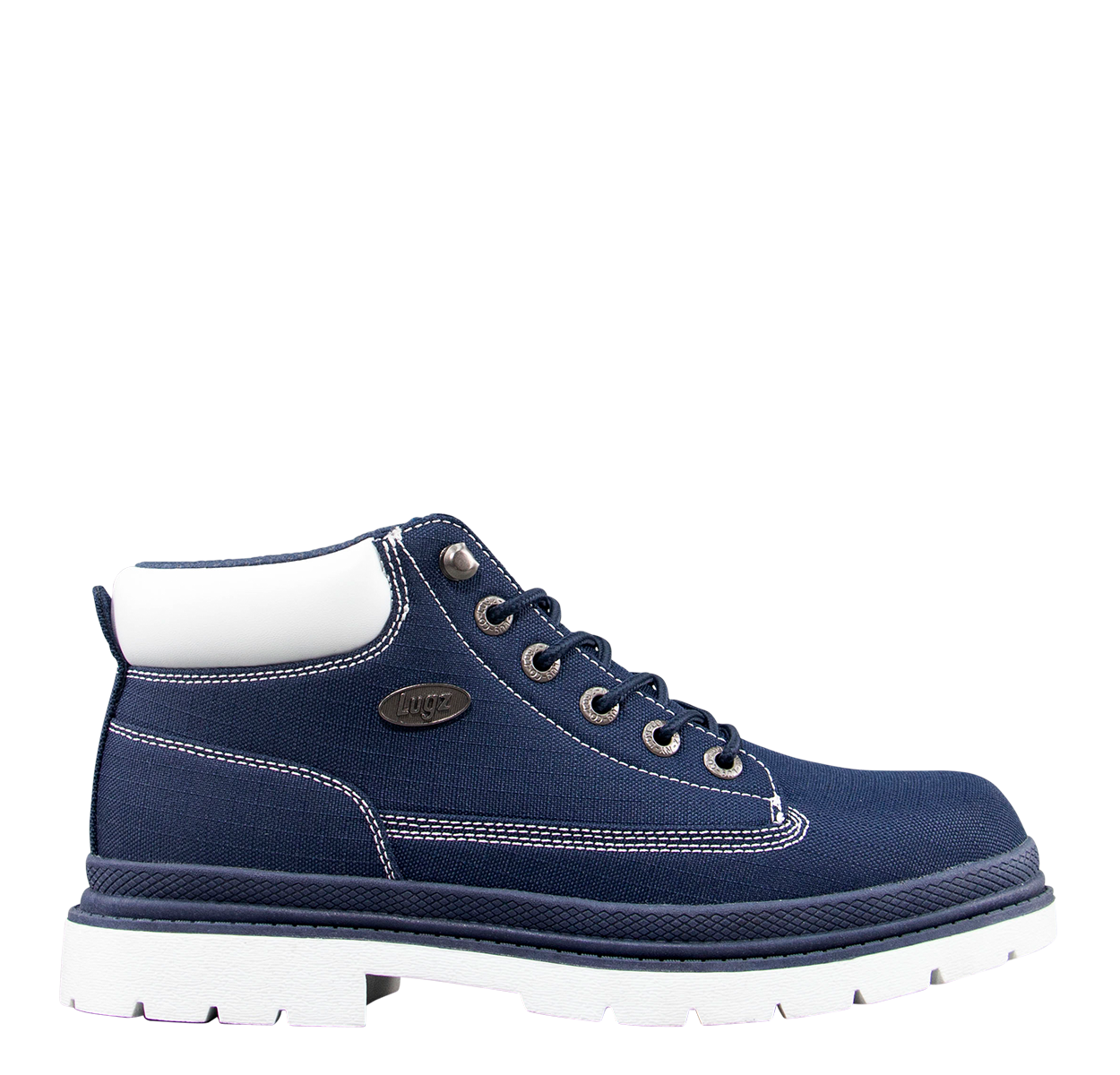
Our safety toe work boots deliver ASTM-rated protection, premium leather construction, and slip-resistant soles, engineered for job sites where safety and durability matter most.
- ✔ ASTM-rated impact and compression protection
- ✔ Steel-toe and composite-toe options available
- ✔ Slip-resistant soles for secure footing on any surface

Composite Toe vs Steel Toe: Key Differences
When comparing steel-toe and composite-toe boots, consider your specific work environment, safety requirements, and comfort needs.
-
Weight: Composite toe boots are lighter, reducing fatigue during long shifts.
-
Protection: Both types provide substantial impact and compression resistance, but steel can better withstand repeated heavy impacts.
-
Temperature: Composite material insulates against heat and cold, whereas steel toes could make feet colder in winter.
-
Security: Composite toe boots are metal-free, making them ideal for security-sensitive workplaces.
-
Cost: Steel-toe boots are usually less expensive, but the price gap is narrowing as composite technology advances.
-
Durability: Steel toe caps can dent under extreme force, while composite toe caps won’t dent but may crack if overloaded.
Expert Tip: Both steel and composite toe boots must meet strict safety requirements. The choice comes down to your work environment and personal comfort.
How to Choose the Right Safety Toe Boot for Your Work Environment
Selecting the best safety boot means matching the boot’s features to your job’s hazards and requirements.
-
Assess the risks: Identify whether your job involves handling heavy objects, working with electrical hazards, or exposure to extreme temperatures.
-
Check safety standards: Ensure the boot is certified for impact and compression resistance and that it meets your workplace’s requirements.
-
Consider comfort: Look for boots with cushioned insoles, breathable linings, and ergonomic designs. For those needing extra width, Lugz offers wide-width work boots and women’s wide-width options to ensure a proper fit.
-
Think about climate: If you work in cold or hot environments, composite-toe boots are lighter than steel-toe boots and provide better insulation.
-
Security needs: For jobs with frequent metal detector checks, composite-toe or alloy-toe caps are preferable.
You can also explore the women’s work footwear collection, including safety-toe boots designed for women’s fit and comfort.
READ MORE:
-
Non-Slip vs. Slip-Resistant Shoes: 6 Differences You Should Know
-
Best Work Footwear for Women: Comfort, Safety, and Style Compared
Common Mistakes When Buying Safety Toe Boots
Avoid these pitfalls to ensure your new work boots deliver the protection and comfort you need:
-
Ignoring certification: Only buy boots that are clearly marked as meeting required safety standards.
-
Overlooking fit: A boot that’s too tight or too loose can cause discomfort and reduce protection.
-
Neglecting the work environment: Don’t choose steel-toe boots for electrical work or composite-toe boots for heavy demolition unless they meet the specific safety requirements.
-
Skipping maintenance: Regularly inspect your boots for wear, especially the toe cap area, and replace them if damaged.
Care and Maintenance for Safety Toe Boots
Proper care extends the life and effectiveness of your safety toe boots:
-
Clean regularly: Remove dirt and debris to prevent material breakdown.
-
Inspect toe caps: Check for cracks, dents, or other damage that could compromise protection.
-
Replace as needed: Boots must be replaced if the toe cap is exposed or the sole is worn down.
-
Store properly: Keep boots in a dry, cool place to avoid mold and material degradation.
According to Safety+Health Magazine, “The most common types of safety toe caps are steel and composite. The construction must meet specific performance requirements to be certified for impact and compression safety.”
Find Your Perfect Work Boot.
Whether you need slip-resistant traction for fast-paced environments or ASTM-rated safety toe protection for heavy-duty job sites, Lugz has the right footwear to keep you safe, comfortable, and ready for anything.
Step Forward with Confidence
Choosing between composite-toe and steel-toe boots is about more than just safety; it’s about comfort, compliance, and confidence on the job. Both types offer robust protection, but your work environment, daily routine, and personal preferences should guide your decision. Remember, the right safety-toe boot is the one that keeps you protected, comfortable, and ready for anything.
-
Always confirm your boots meet the required safety standards for impact and compression.
-
Match your boot type to your work environment and job hazards.
-
Prioritize comfort and fit to stay productive and pain-free all day.
If you’re still unsure which safety toe is right for you, Lugz is here to help. Our team is passionate about footwear and dedicated to meeting your needs, offering a wide range of steel- and composite-toe boots that combine durability, style, and certified protection. Explore our options and step into your next shift with confidence.