
When you’re on your feet all day, the wrong pair of shoes can cost you more than comfort. Slips and falls remain one of the top workplace injuries every year, and the right footwear can make all the difference between a close call and an accident.
Non-slip and slip-resistant shoes may sound similar, but they serve different purposes and meet different performance standards. Knowing how they differ is the best way to choose footwear that keeps you steady and confident with every step.
This guide covers:
-
6 practical differences between non-slip and slip-resistant shoes
-
Which features make a real impact on traction and stability
-
Expert tips on choosing the right pair for your work and lifestyle
P.S. At Lugz, we’ve built our footwear around performance that meets real-life needs. Our slip-resistant footwear for men and women are designed for grip, comfort, and long-term wear without sacrificing style. From low-cut sneakers to high-tops and clogs, we’ve engineered every detail to keep you secure on slick floors, wet surfaces, or long work shifts.
Grip That Keeps You Moving. Confidence With Every Step.
When floors get slick, the right footwear makes all the difference. Slip-resistant shoes are built to keep you steady with advanced tread designs and dependable traction. Whether you’re in a busy kitchen, warehouse, or on the go all day, these shoes are made to help you move with confidence — no slipping, no second-guessing.
Shop NowNon-Slip vs. Slip-Resistant Shoes – Key Differences at a Glance
|
Key Difference |
Non-Slip Shoes |
Slip-Resistant Shoes |
|
1. Traction & Grip |
Moderate grip on dry floors. Less stable with moisture. |
Strong traction with tread that holds on slick, wet, or oily surfaces. |
|
2. Material |
Basic rubber that stiffens with changing conditions. |
Specialized rubber that stays flexible and maintains contact. |
|
3. Tread Design |
Shallow or decorative tread, limited liquid control. |
Deep, structured tread disperses moisture and improves grip. |
|
4. Testing |
Not regulated or tested for performance. |
Typically tested (ASTM, SATRA) for verified slip resistance. |
|
5. Durability |
Wears smooth quickly, losing traction fast. |
More durable, maintains traction longer with proper care. |
|
6. Comfort & Support |
Casual fit with minimal structure. |
Supportive fit, cushioning, and stability-focused design. |
The 6 Core Differences Between Non-Slip and Slip-Resistant Shoes
Understanding the difference between non-slip and slip-resistant footwear isn’t just about terminology—it directly affects how safe, stable, and confident you feel on your feet. Each design is built for different environments, movement patterns, and levels of risk.
From outsole material to comfort over long shifts, these differences influence how well your shoes perform when floors get wet, oily, or unpredictable. Let’s break down the six areas where these shoes truly set themselves apart.
1. Traction and Grip: How Securely Each Shoe Holds the Floor

When floors are wet, greasy, or polished smooth, traction is the first line of defense against slips. Traction refers to how strongly your shoe can bite into the floor surface, while grip is how reliably that traction holds as you move.
Non-slip shoes are made to provide moderate grip for everyday scenarios like dry pavements or polished indoor floors. In contrast, slip-resistant shoes are engineered with specialized rubber compounds and deep tread patterns that create friction even on slick, oily, or wet flooring.
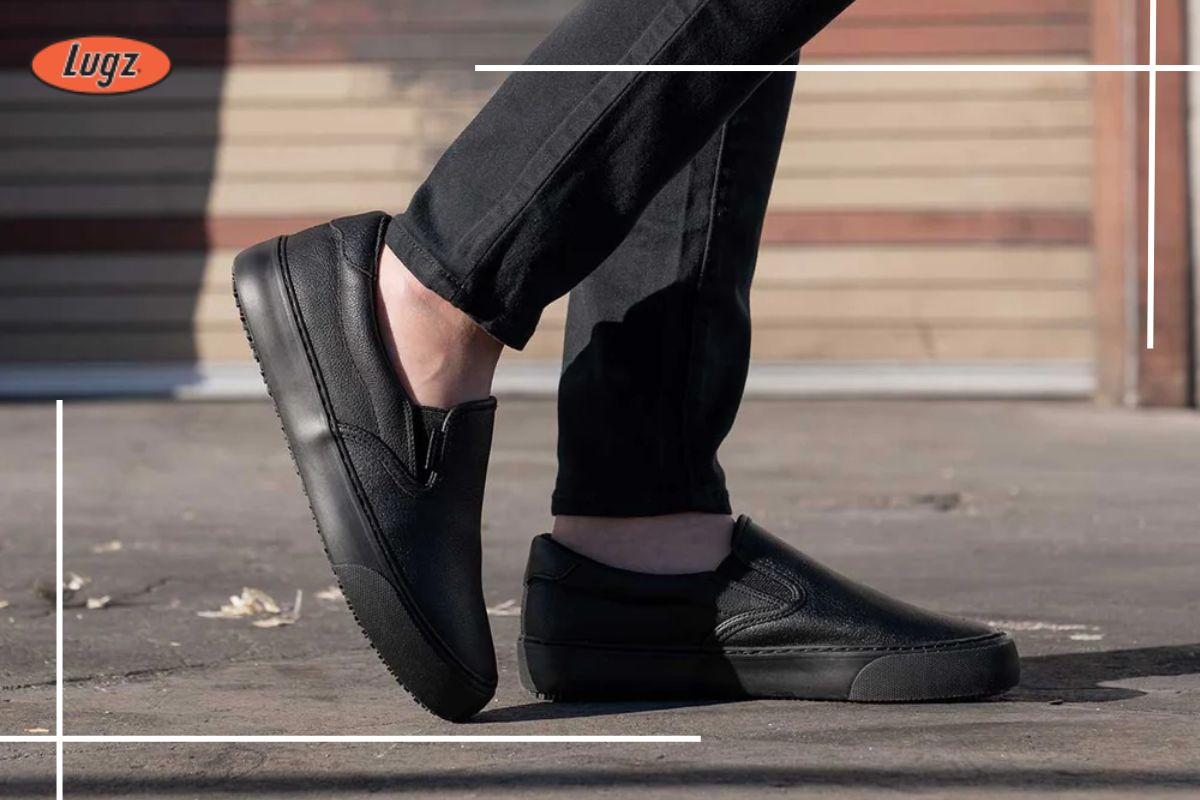
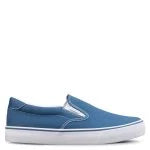
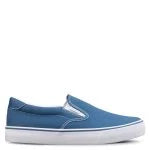
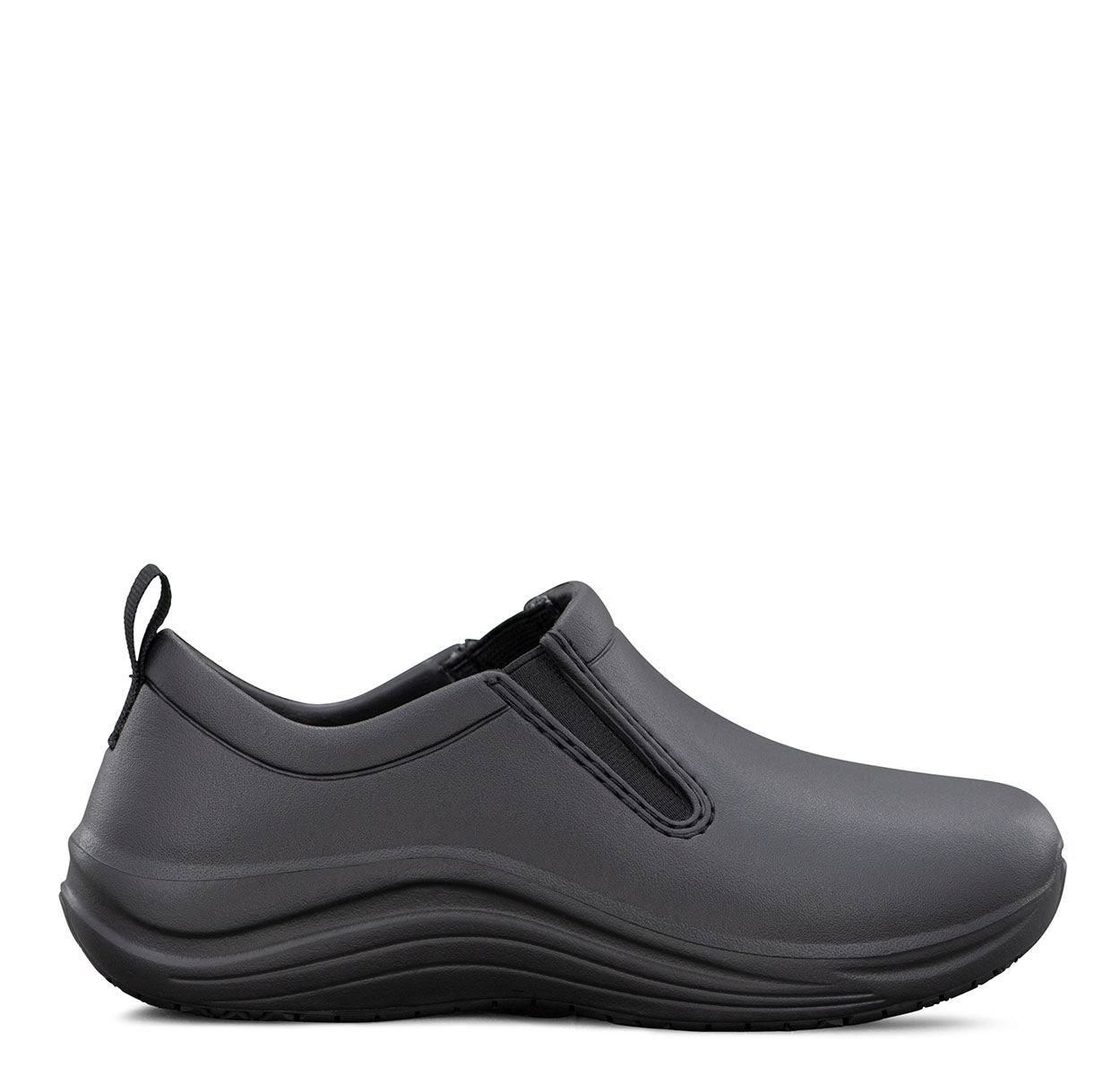
This is why shoes like the Men’s Clipper Slip Resistant Sneaker stand out in workplaces like kitchens or warehouses. It features a slip resistant rubber outsole for traction and safety, paired with a classic slip-on style and dual elastic gore for a secure fit.
-
Traction performance: Non-slip soles perform well on dry or slightly polished floors, but lose stability once liquids or grease appear. Slip-resistant shoes use softer rubber and micro-patterned tread to maintain friction in wet or oily environments.
-
Surface adaptability: Slip-resistant soles deform slightly under pressure, increasing surface contact and creating more frictional grip.
-
Liquid control: Their tread channels push water or oil away, preventing a thin liquid film from separating the shoe from the floor—a common cause of slipping.
-
Practical difference: On a slick kitchen tile or hospital floor, slip-resistant soles will still feel “anchored” where non-slip shoes would skid.
Designed for Real-World Conditions. Not Just Marketing Claims.
“Non-slip” doesn’t always mean safe. Many everyday shoes offer basic grip, but slip-resistant footwear is engineered for tougher environments — with tested rubber outsoles and patterns that push away water, oil, and spills. It’s real performance built for real workdays.
Find Your Pair
2. Material Composition: What the Sole Is Actually Made Of

Non-slip shoes are made to provide moderate grip for everyday scenarios like dry pavements or polished indoor floors. In contrast, slip-resistant shoes are engineered with specialized rubber compounds and deep tread patterns that create friction even on slick, oily, or wet flooring.
The rubber compound of your outsole determines how well it handles real-world friction. Non-slip shoes usually rely on basic synthetic rubber blends suitable for everyday walking. Slip-resistant footwear uses softer, high-traction rubber that maintains consistent ground contact even when surfaces are contaminated with moisture or grease.
Additionally, slip-resistant compounds are engineered for flexibility and friction. They maintain elasticity in both warm and cold temperatures, so they won’t harden or stiffen when conditions change. Non-slip rubbers, by contrast, are more likely to lose flexibility in challenging environments, which weakens their ability to grip.
-
Rubber formulation: Slip-resistant outsoles use specialized, softer compounds that mold to surface irregularities and increase real contact.
-
Density control: The compound is balanced for friction and wear resistance, providing both grip and durability.
-
Temperature performance: Slip-resistant soles stay flexible in cold or damp environments where standard rubber stiffens.
-
Functional outcome: This flexibility keeps traction consistent across different floor conditions
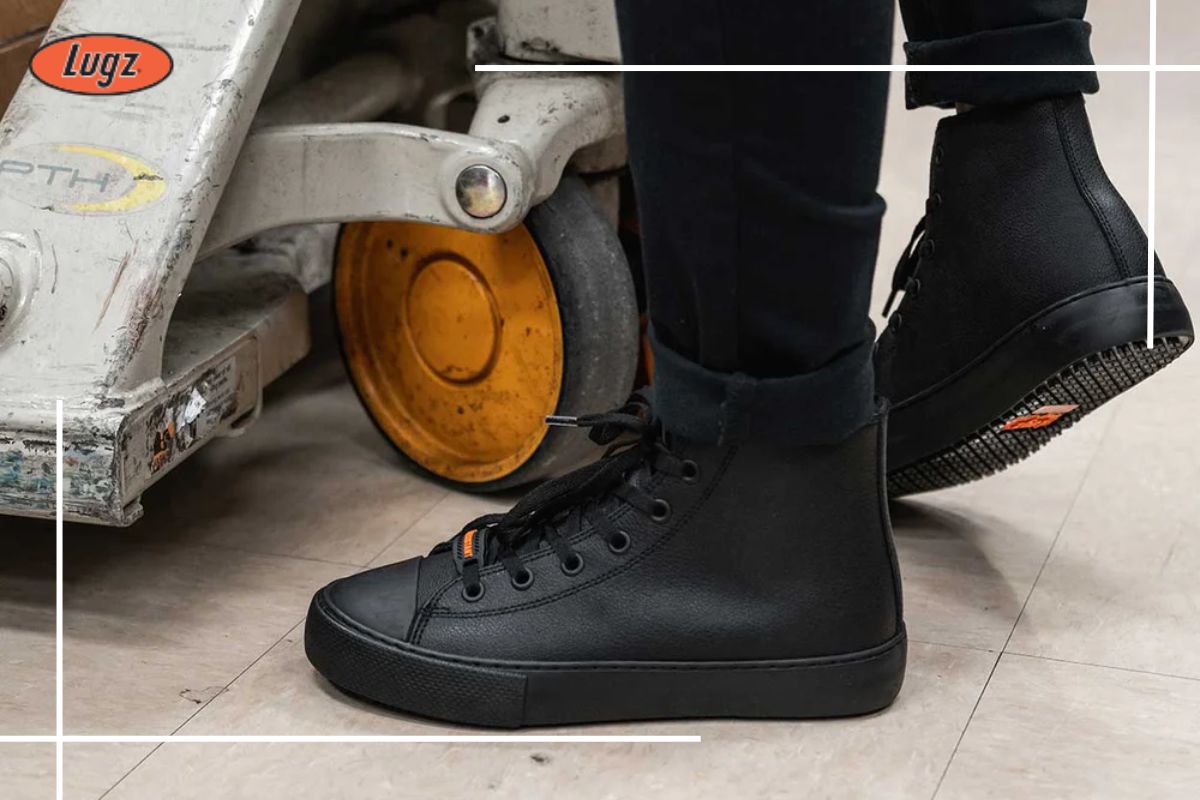
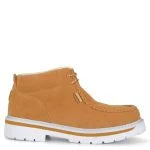
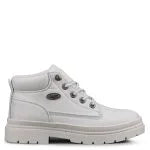
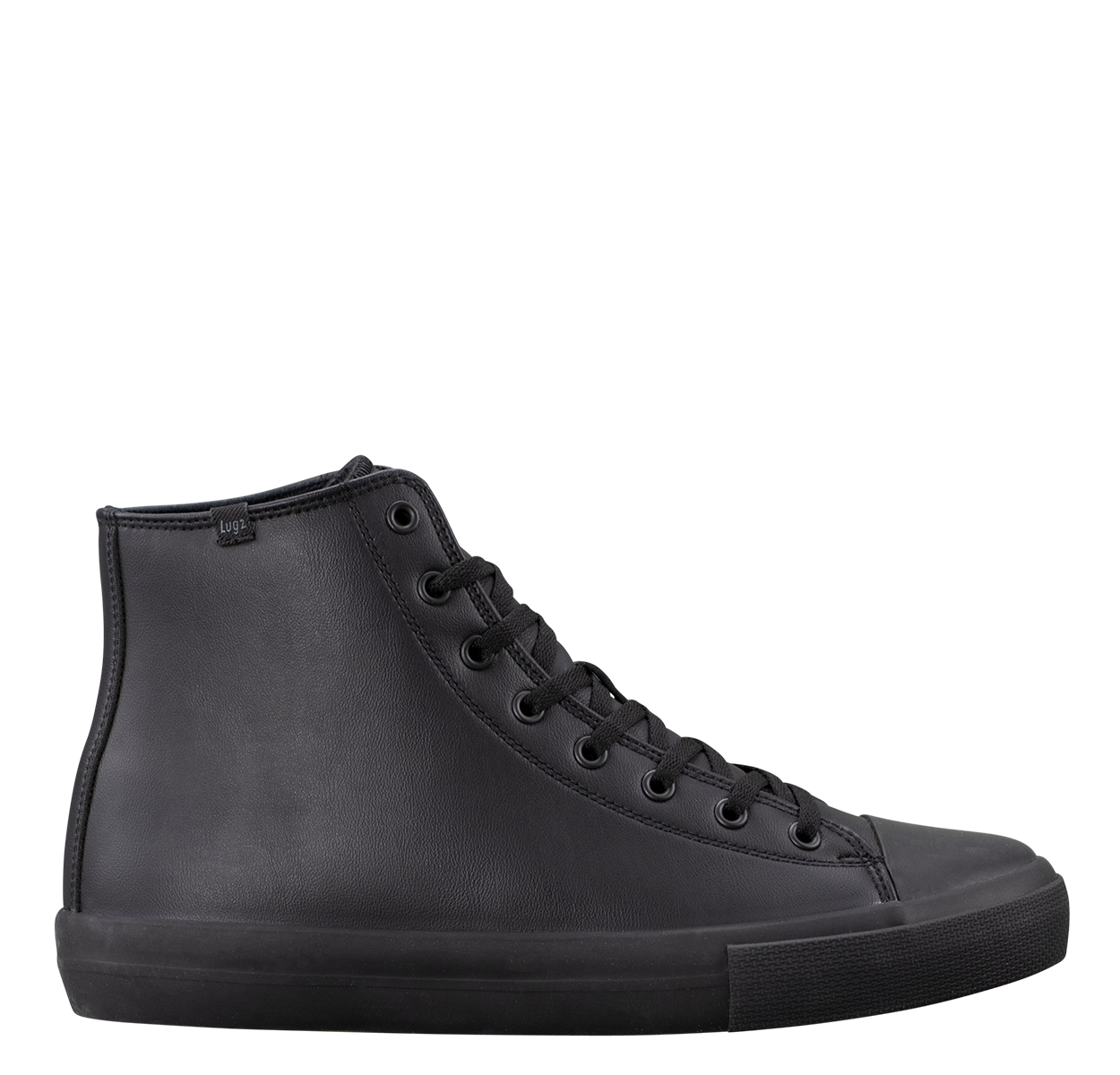
This difference is easy to spot when looking at well-constructed designs. The Men's Stagger Hi Slip-Resistant Sneaker uses a slip-resistant rubber outsole, leather upper, and a lace-up closure. The Men's Drop Hi Slip Resistant Sneaker takes the same high-top approach, with a water-resistant leather upper, a padded collar, and a slip-resistant rubber sole.
This material construction provides dependable contact on polished tile or smooth concrete, even when the floor isn’t perfectly dry.
3. Tread Design and Construction: How Pattern Affects Safety

The outsole pattern determines how a shoe interacts with liquids. Even the best rubber fails if the tread traps water or oil beneath the foot. Non-slip shoes often use simple, shallow tread designs meant for casual wear. Slip-resistant shoes, in contrast, feature engineered tread channels that actively disperse liquids, creating continuous ground contact.
The tread’s geometry — spacing, depth, and flexibility — is what keeps a slip-resistant shoe from “surfing” on a thin layer of liquid. Micro-channels, lugs, and siped patterns work together to push contaminants away from the contact zone. This design gives slip-resistant shoes a measurable edge in high-risk workplaces.
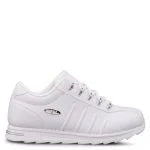
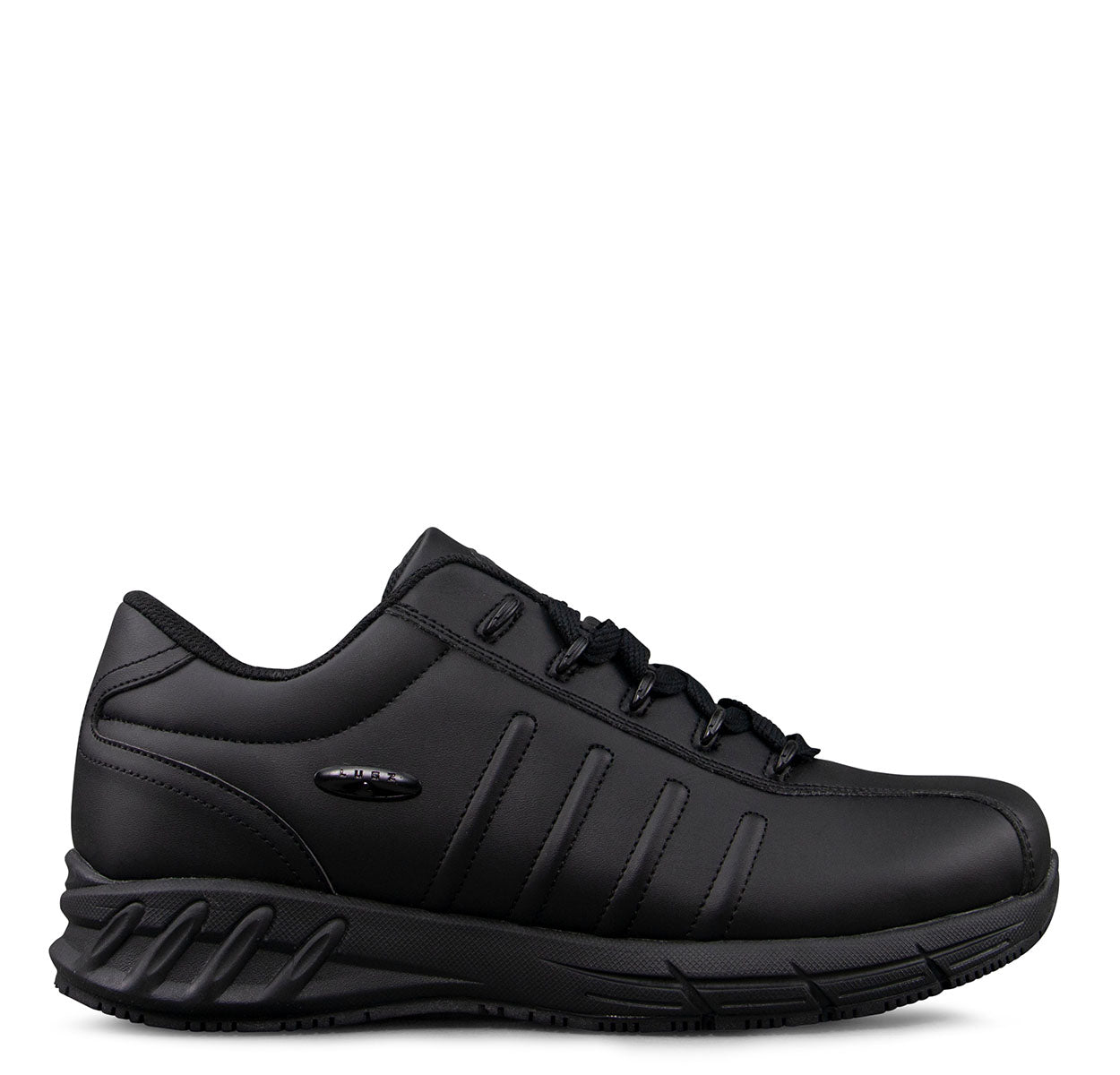
For example, the Women's Express Slip Resistant Sneaker features a chunky slip resistant outsole, synthetic leather upper, and lace up closure for an adjustable, secure fit. This structure helps minimize liquid buildup on smooth or polished floors, allowing for a more stable stride.
-
Tread depth: Deeper channels move fluids away from pressure points, preserving traction on wet or oily floors.
-
Pattern spacing: Strategically placed grooves prevent liquids from collecting underfoot.
-
Flex points: Controlled flexibility keeps more of the outsole engaged during pivots and push-offs.
-
Wear pattern: Slip-resistant tread wears evenly, keeping performance predictable over time.
4. Testing and Certification: The Proof Behind the Label

Unlike the term “non-slip,” which isn’t regulated, “slip-resistant” typically involves standardized testing. Many manufacturers validate their slip-resistant shoes through recognized methods like ASTM F2913 slip resistance testing or SATRA TM144 slip resistance test. These tests measure the shoe’s coefficient of friction under controlled conditions, including wet, oily, and soapy surfaces.
-
Testing standards: ASTM and SATRA methods quantify how well a shoe maintains friction under specific surface conditions.
-
Workplace compliance: Certified slip-resistant shoes align with common safety policies and training protocols.
-
Risk reduction: Verified shoes significantly lower the chance of slips in high-risk environments.
-
Practical takeaway: If a shoe doesn’t list its testing standard, it’s likely not built for environments with documented slip hazards.
Stay Steady. Stay Safe. Stay You.
Your footwear should work as hard as you do. Slip-resistant styles combine comfort, stability, and durability so you can stay focused on your day — not the floor beneath you. From long shifts to quick errands, choose shoes that support your stride and keep your footing strong.
5. Durability and Maintenance: How Long Each Shoe Keeps Its Grip

Durability directly affects safety. Non-slip shoes, while often stylish, tend to wear smooth quickly. Once the tread flattens, their grip declines sharply. Slip-resistant shoes are designed with thicker, more abrasion-resistant rubber that maintains traction even as it wears.
Maintenance is part of performance too. Even the best slip-resistant outsole loses effectiveness if debris clogs its channels. Regular cleaning and rotation keep the tread performing as designed, ensuring consistent friction throughout the shoe’s lifespan.
-
Wear behavior: Non-slip soles lose texture quickly at high-stress points, while slip-resistant soles wear more gradually.
-
Maintenance needs: Regularly cleaning your soles removes grease and debris that block tread channels.
-
Material lifespan: Slip-resistant outsoles are made to resist polishing, which helps them maintain grip even after extended use.
-
Replacement timing: When tread grooves become shallow or smooth, replace your shoes to maintain safety.
6. Comfort and Support: How Fit Impacts Stability

Comfort plays a direct role in stability. The more stable your foot feels inside the shoe, the less likely you are to lose balance externally. Non-slip footwear often focuses on looks or casual use, offering minimal structural support. Slip-resistant shoes are designed for long shifts, with secure fits, cushioning, and supportive uppers that keep your foot stable as you move.
This is clearly reflected in the Women's Sizzle Slip Resistant Clog, which features full heel coverage for stability and support, stretch gore for easy on, and an anti-fatigue comfort mid-sole. Combined with its durable slip-resistant rubber outsole, these elements create a secure, supported feel designed to help keep footing steady.
-
Secure fit: Structured uppers and firm closures reduce internal foot movement and help keep your footing steady.
-
Cushioning: Padded insoles absorb impact, lowering fatigue and improving stability over long shifts.
-
Upper support: Breathable linings and padded collars provide comfort without compromising lockdown.
-
Postural benefit: A stable base supports better alignment, reducing the risk of slips and strains.
Non-Slip vs. Slip-Resistant — Which One Should You Choose?
Choosing between non-slip vs. slip-resistant footwear isn’t just a matter of preference, it directly affects how safe and steady you feel with every step. From how well the outsole handles moisture to the support that keeps your foot anchored, each feature plays a role in your overall stability.
-
Choose Non-Slip If: You mostly walk on clean, dry floors and want shoes that feel light, easy to wear, and stylish for everyday use. Non-slip footwear is ideal when minimal moisture is involved and maximum flexibility and comfort are your priorities.
-
Choose Slip-Resistant If: You need reliable traction on smooth, damp, or slick surfaces and value stability over time. Slip-resistant shoes are built with specialized rubber and tread patterns that maintain grip, giving you more confidence and support with every step.
When it comes to consistent traction and lasting comfort, slip-resistant footwear clearly comes out ahead. It’s the more reliable choice for those who want confidence with every step.
That’s where Lugz stands apart. With over 30 years of heritage in durable and timeless footwear, we design slip-resistant shoes that balance style, comfort, and performance. Our collection features supportive fits, cushioned insoles, and slip-resistant rubber outsoles built to keep you steady on smooth or damp floors.
Explore our complete range of slip-resistant footwear to find the pair that’s made to move with you.
Read Next:
FAQs
1. What is the main difference between non-slip and slip-resistant shoes?
Non-slip shoes offer moderate grip on clean, dry floors but aren’t built for slick conditions. Slip-resistant shoes use specialized rubber and structured tread to maintain traction on wet, oily, or polished surfaces, making them more stable.
2. Are slip-resistant shoes necessary for work?
Yes, especially in environments with water, oil, or cleaning agents. Certified slip-resistant shoes significantly reduce fall risks and meet workplace safety standards.
3. What features matter most in slip-resistant footwear for men?
The key is a durable rubber outsole with defined tread, secure lace or gore fit to stabilize the foot, and supportive construction. These features give men’s slip-resistant footwear the traction and comfort needed for confident movement.
4. Are slip-resistant shoes comfortable for all-day wear?
Yes, slip-resistant shoes from Lugz are designed with cushioned insoles, padded uppers, and supportive fits to reduce fatigue, making them ideal for extended wear.
6. Where can I buy reliable slip-resistant footwear for men and women?
Shop at Lugz for tested, durable slip-resistant footwear for men and women—built for stability, comfort, and timeless design.