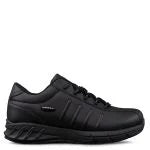
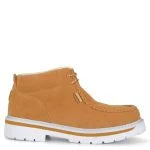
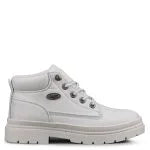
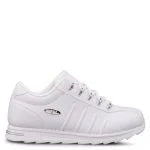
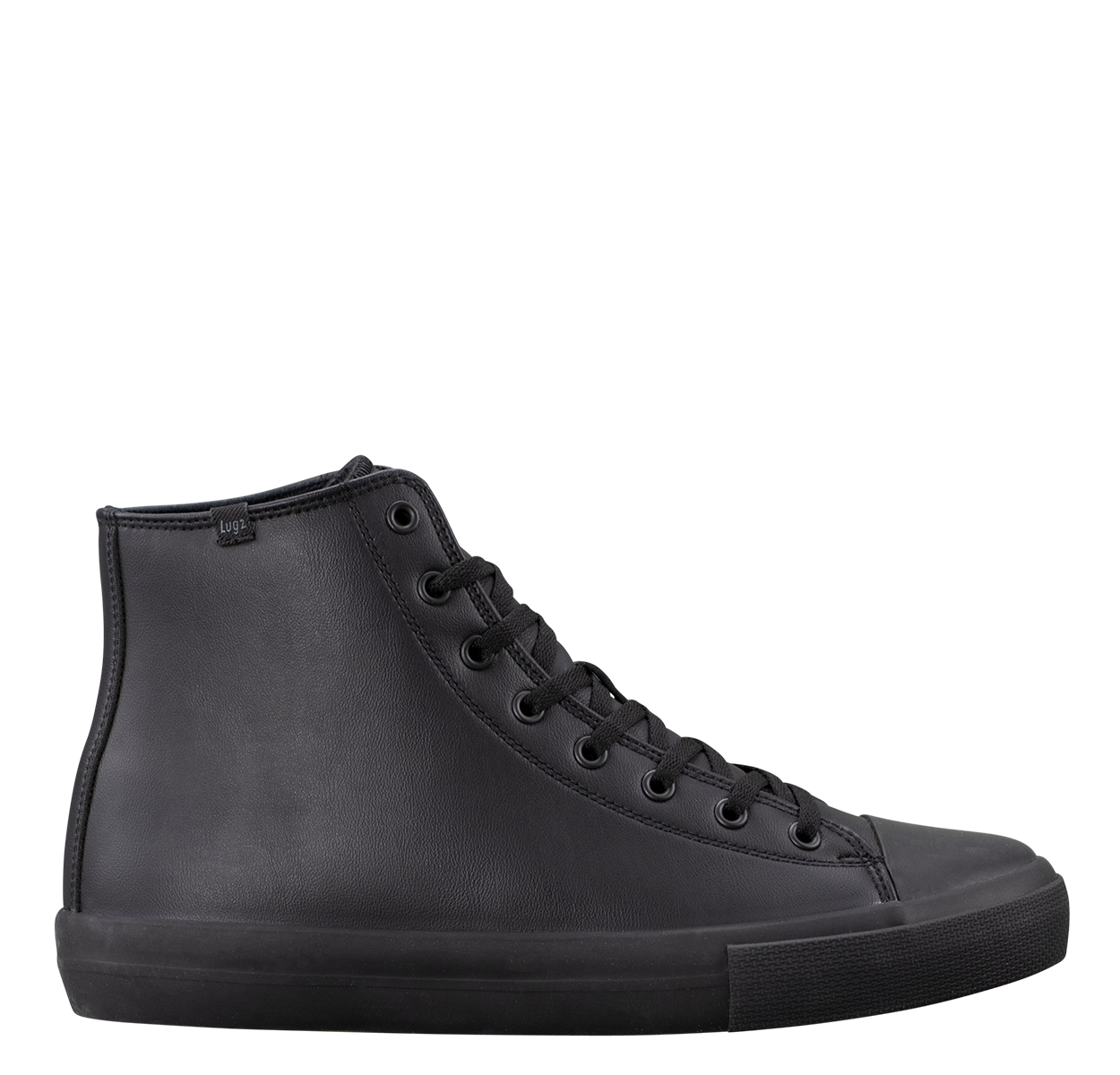
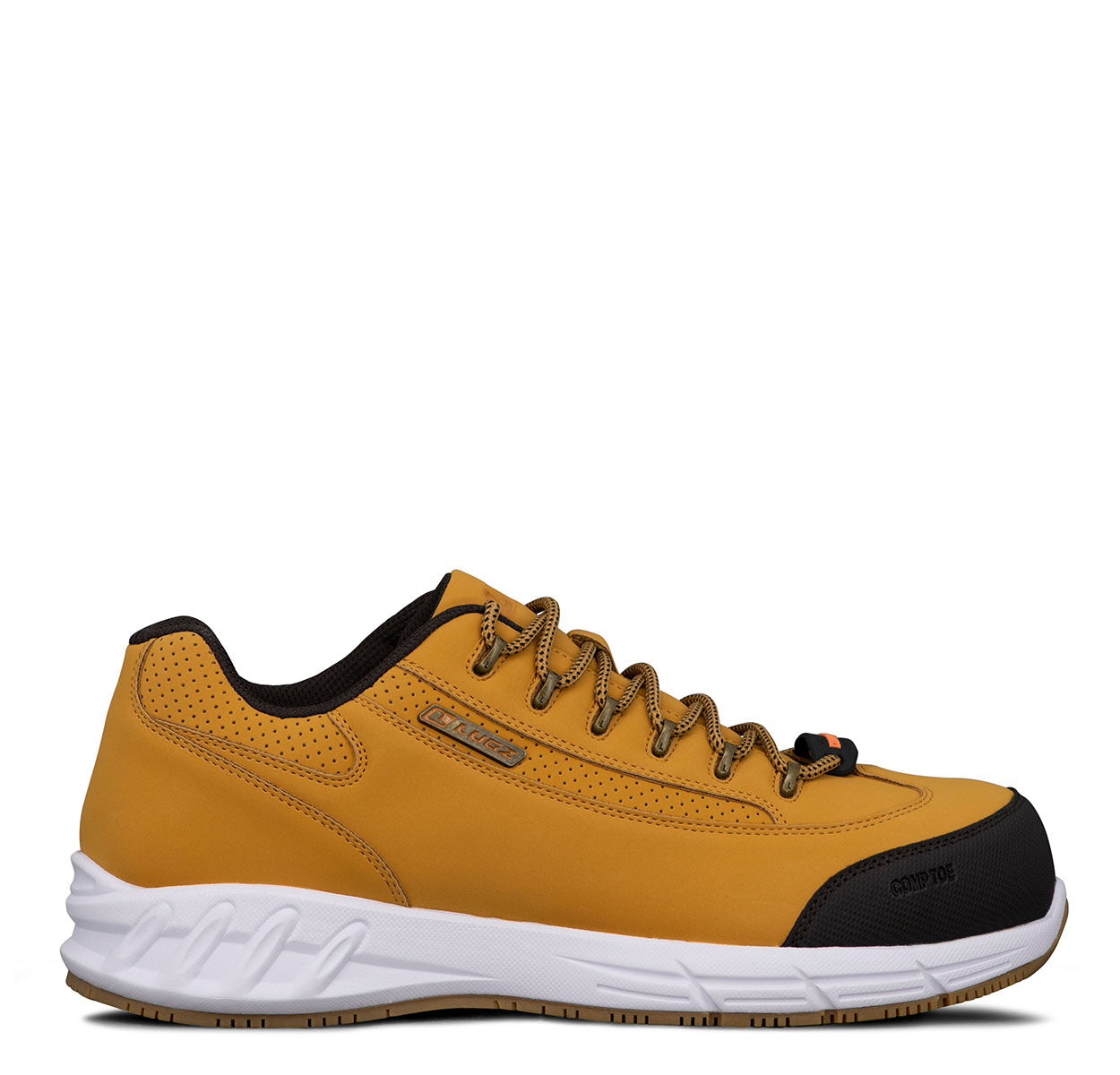


The way you lace your boots changes how they fit, how much support they give, and how they look. Six techniques cover almost every need: criss-cross for everyday wear, straight bar for a clean dress look, over-under for less pressure, army lacing for flexibility, ladder lacing for maximum support, and a heel lock to stop slipping. Each one is simple once you see the pattern.
Most people lace their boots one way and never think about it again. That is a missed opportunity, because the right lacing technique can relieve a pressure point, lock your heel in place, or take a boot from job site to dressed up. We have built boots since 1993, and how you lace them is one of the easiest ways to get more comfort and more wear out of a pair.
This guide walks through how to lace boots six different ways, including how to lace dress boots for a clean look, how to lace combat boots and military boots for support, and a few methods that solve specific fit problems. Pick the one that matches your boot and your day.
Own the Streets With Lugz
Built tough for work, play, and everything in between. Lugz footwear combines comfort, resilience, and street style.
- ✔ Rugged Work Boots
- ✔ Street‑Inspired Sneakers
- ✔ Everyday Comfort & Durability

A Few Basics Before You Start
Whatever method you choose, a few things stay the same. Start with the laces threaded evenly through the bottom eyelets so both ends are the same length. Keep the tension even as you work up the boot, since uneven tension is what creates pressure points. Make sure your laces are long enough for the method, because the more supportive patterns like ladder lacing use up more lace than a simple criss-cross.
Finally, tie off securely at the top and tuck or double-knot the ends so they do not come loose. The six methods below cover the most useful techniques, and if you want to see a wider range with step-by-step diagrams, Ian's Shoelace Site catalogs dozens of lacing methods with photos for each.
1. Criss-Cross Lacing

Criss-cross lacing is the standard method most boots come laced in, and it is the best all-around choice for everyday wear. Thread the lace through the bottom eyelets from the inside out, pulling both ends even.
Cross the ends over each other and feed them into the next pair of eyelets from the inside out, again crossing as you go. Repeat all the way up. It is quick to tighten, distributes tension evenly, and works on almost any boot. If you only learn one way to lace boots, this is it.
2. Straight Bar Lacing
Straight bar lacing, sometimes called ladder bar or fashion lacing, creates clean horizontal bars across the boot with no visible crosses, which makes it the go-to for how to lace dress boots. It looks sharp and minimizes bulk over the top of the foot. Start across the bottom eyelets, then run each lace end straight up on the inside and bring it across to the opposite side, hiding the diagonals underneath.
The result is a neat, uniform ladder of straight lines. It pulls tight quickly and looks polished, though it offers less adjustability than crossed methods, so it suits dressier boots and lower-eyelet styles best.
3. Over-Under Lacing
Over-under lacing reduces pressure across the top of the foot, which makes it a good fix if your boots feel tight across the bridge or you have a high arch. Starting from the bottom, alternate feeding the laces over and then under at each set of eyelets rather than crossing every time.
Because the lace is not pulling tight at every single eyelet, it spreads pressure out and reduces friction. It also tends to loosen less over the day. This one is less about looks and more about comfort over long wear, and it pairs well with stiffer boots.
4. Army Lacing

Army lacing keeps the crosses on the inside and the vertical sections on the outside, which is one of the most common answers to how to lace combat boots and military boots. Feed the lace straight across the bottom from the inside out, run each end straight up to the next eyelet on the outside, then cross underneath on the inside before going straight up again.
Keeping the crosses tucked inside means the laces are less likely to snag, and it lets stiff leather uppers flex during long walks. It is favored for general military and combat boot wear where flexibility matters more than maximum lockdown.
5. Ladder Lacing

Ladder lacing is the most supportive technique, and it is what many paratroopers and others use when they want the most secure lacing for combat boots. Run the lace straight across the bottom eyelets, then take each end straight up to the next eyelet and feed it through.
Cross each end horizontally through the vertical section on the opposite side, weaving it under, then continue up. The woven result looks like a ladder and locks the foot and ankle firmly in place. It uses more lace than other methods and takes longer to tighten and loosen, so it suits tall boots with plenty of eyelets and situations that call for maximum support.
6. Heel Lock Lacing
Heel lock lacing, also called lace locking, is less a full method and more a finishing technique that stops your heel from slipping inside the boot. When you reach the top two eyelets, instead of crossing over, feed each lace end straight up into the eyelet on the same side to create a small loop. Then cross each end through the opposite loop and pull down and tight.
Cinching those loops pulls the collar of the boot snug against your ankle and locks your heel into the heel cup. It is excellent for preventing blisters on long walks and for narrow heels that tend to lift. You can add it to the top of almost any of the methods above.
Which Lacing Method Should You Use?
The right method depends on what you need from the boot that day. For everyday wear, criss-cross is hard to beat. For a clean, dressed-up look, straight bar lacing suits dress boots best. If your boots press on the top of your foot, over-under relieves that pressure.
For combat and military boots, army lacing keeps things flexible while ladder lacing gives you the most support. And whenever your heel slips, add a heel lock at the top. None of these is permanent, so it is worth trying a few to feel the difference on your own boots.
Lace Up a Pair of Lugz Boots
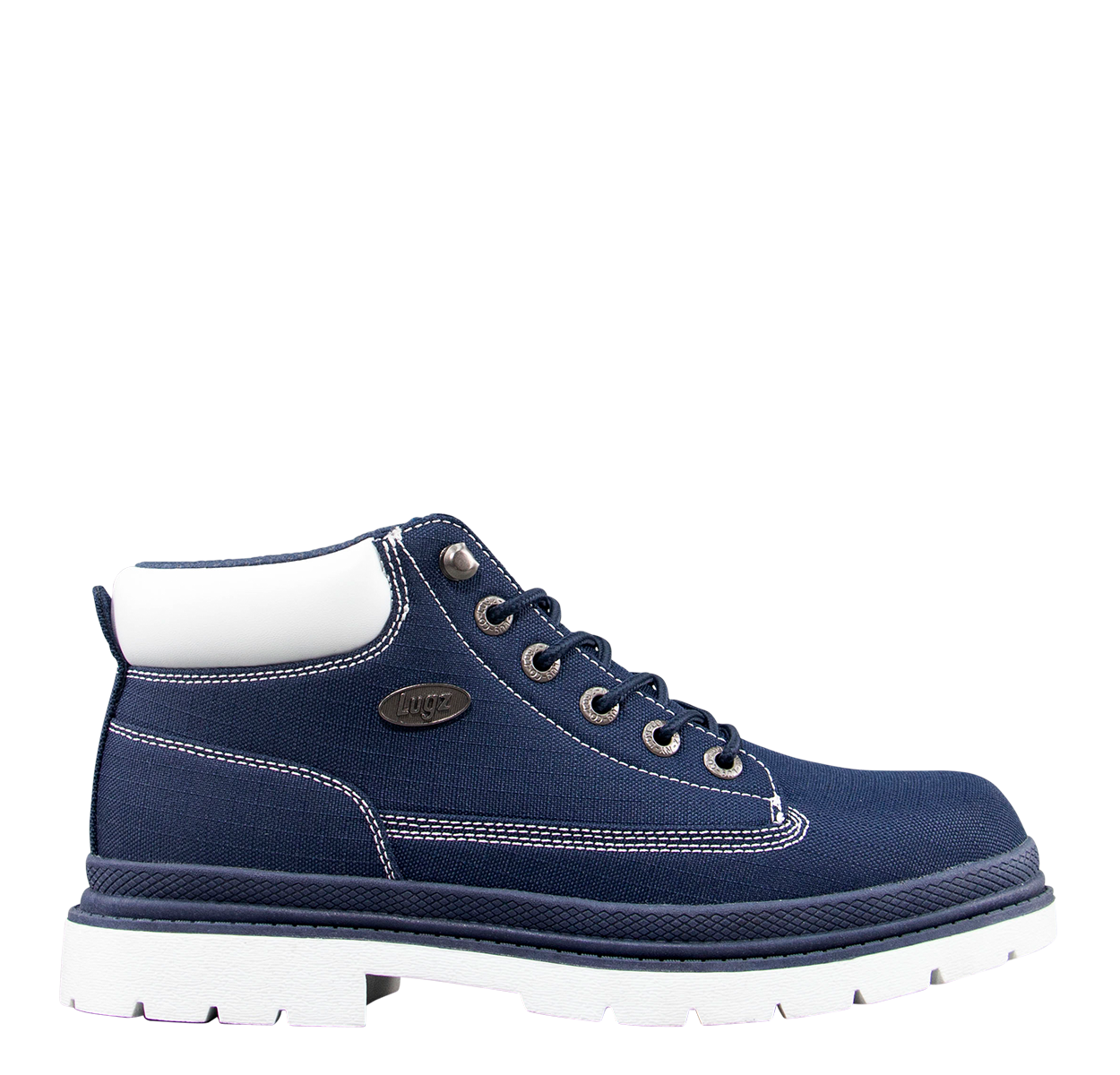
Whichever method you choose, it works best on a boot built to hold its shape and support your foot. Our men's boots collection covers lace-up six-inch boots, work boots, and casual styles with the eyelets and structure these techniques are made for. The lace-up Empire Hi 6-inch boot and the Convoy 6-inch boot both have the eyelet rows these methods work best on. You can also browse men's and women's leather boots and footwear across the full Lugz catalog. Heritage construction has been our foundation since 1993, and the right lacing is the finishing touch. #WalkWithUs.
Step Into Strength. Step Into Lugz.
From rugged boots to street‑ready sneakers, Lugz delivers durability and style for everyday grit.
Shop Now