

Cleaning leather boots takes four steps: brush off loose dirt, wipe them down with a damp cloth and mild soap, let them air dry away from heat, then condition the leather to keep it from drying out. Done every few wears, this routine keeps leather boots looking sharp and extends how long they last.
A good pair of leather boots is an investment, and like any investment, it rewards a little upkeep. We have built boots since 1993, and the pairs that last the longest are almost always the ones whose owners give them a few minutes of care between wears. The good news is that cleaning leather boots is simpler than most people think, and you do not need a shelf full of products to do it well.
This guide walks through how to clean leather boots at home, step by step, including smooth leather, suede, and nubuck, plus how to handle tougher problems like salt stains and mold. Whether you are caring for a dressy pair or a rugged work boot, the core routine is the same, with a few adjustments by leather type.
What You Need to Clean Leather Boots
Before you start, gather a few basics. You almost certainly have most of them already:
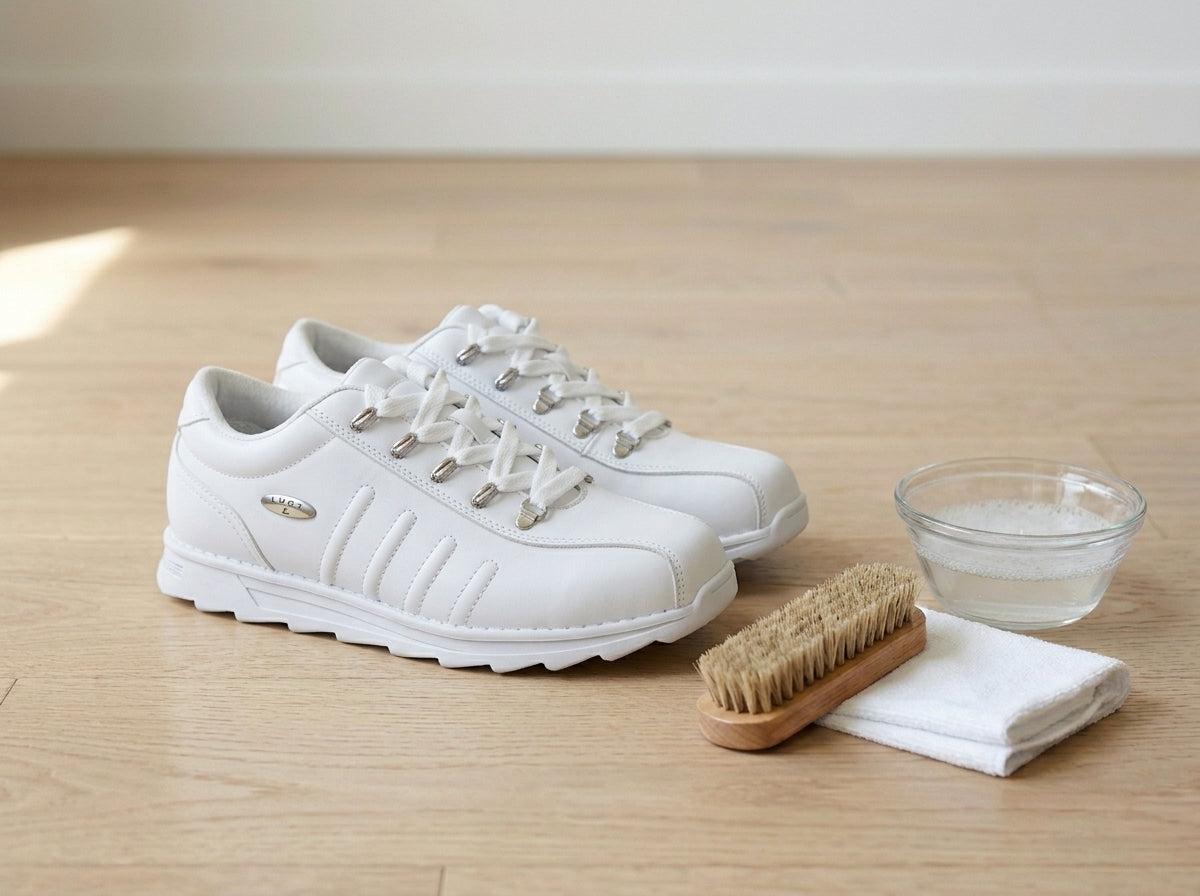
• A soft-bristled brush, such as a dedicated boot brush or an old toothbrush for tight spots
• Two clean, soft cloths, with microfiber being ideal
• Mild soap or a dedicated leather cleaner, such as saddle soap
• Warm water
• Leather conditioner
• A leather protector or waterproofing spray, optional but recommended
That is the whole kit. The brush handles loose dirt, the cloths apply cleaner and buff, the soap lifts grime, the conditioner restores moisture, and the protector helps keep water and stains out between cleanings.
Own the Streets With Lugz
Built tough for work, play, and everything in between. Lugz footwear combines comfort, resilience, and street style.
- ✔ Rugged Work Boots
- ✔ Street‑Inspired Sneakers
- ✔ Everyday Comfort & Durability

How to Clean Leather Boots in 4 Steps

This is the core routine for smooth, finished leather, which covers most leather boots and leather work boots. We will cover suede and nubuck separately below, since they need a gentler hand.
Step 1: Brush Off Loose Dirt
Start by removing the laces and setting them aside so they do not get in the way. Then take your soft-bristled brush and work from the top of the boot down, brushing away loose soil, dust, and dried mud. Pay attention to the welt area where the sole meets the upper, since grit collects there and wears at the stitching over time. A smaller brush or an old toothbrush helps in those tighter seams. Getting the dry dirt off first matters, because wiping it with a wet cloth too early just grinds it into the leather.
Step 2: Wipe With Mild Soap and Water
Mix a small amount of mild soap into warm water until you see light suds. Dampen one of your cloths, wring it out so it is damp rather than wet, and wipe the boots down in a gentle circular motion. The goal is to lift grime without soaking the leather, so use as little water as you can get away with. For built-up dirt on a pair of leather work boots, a soft brush dipped in the same soapy water helps work it loose. Once the boots look clean, wipe them again with a second cloth dampened in plain water to remove any soap residue.
Step 3: Let Them Air Dry
Set the boots in a well-ventilated spot at room temperature and let them dry naturally. Keep them away from direct heat and sunlight, which is the single most common mistake in leather boot care. Radiators, heat vents, hair dryers, and sunny windowsills all dry leather too fast, which leads to cracking, fading, and even shrinking. If the boots are soaked through, loosely stuff them with newspaper to help draw out moisture from the inside, and change the paper when it gets damp. Drying can take several hours to a full day, so give it time.
Step 4: Condition the Leather
Once the boots are clean and fully dry, apply a leather conditioner. Leather is a natural material, and cleaning strips away some of the oils that keep it flexible, so conditioning puts that moisture back and helps prevent cracks. Put a small amount on a clean cloth and rub it into the leather in a thin, even layer, covering the whole upper. Let it soak in, then buff off any excess with the dry side of the cloth. If you want extra protection, finish with a waterproofing spray suited to your leather type, which helps repel water and stains until the next cleaning.
How to Clean Suede and Nubuck Boots

Suede and nubuck need a different approach, because water and soap can stain and matt the soft napped surface. Several boots in our range use a man-made nubuck upper, and the care is the same as for natural nubuck. Skip the soapy water from the steps above. Instead, brush the surface with a suede or nubuck brush to lift dirt and restore the nap, brushing in one direction. For scuffs and dried marks, a suede eraser or a clean pencil eraser works well. If you hit a stubborn stain, a suede-specific cleaner is the safer choice over any household liquid. Always let suede and nubuck air dry away from heat, then re-brush the nap once dry. A nubuck and suede protector spray is worth applying from new, since these materials stain more easily than finished leather.
How to Remove Salt Stains From Leather Boots

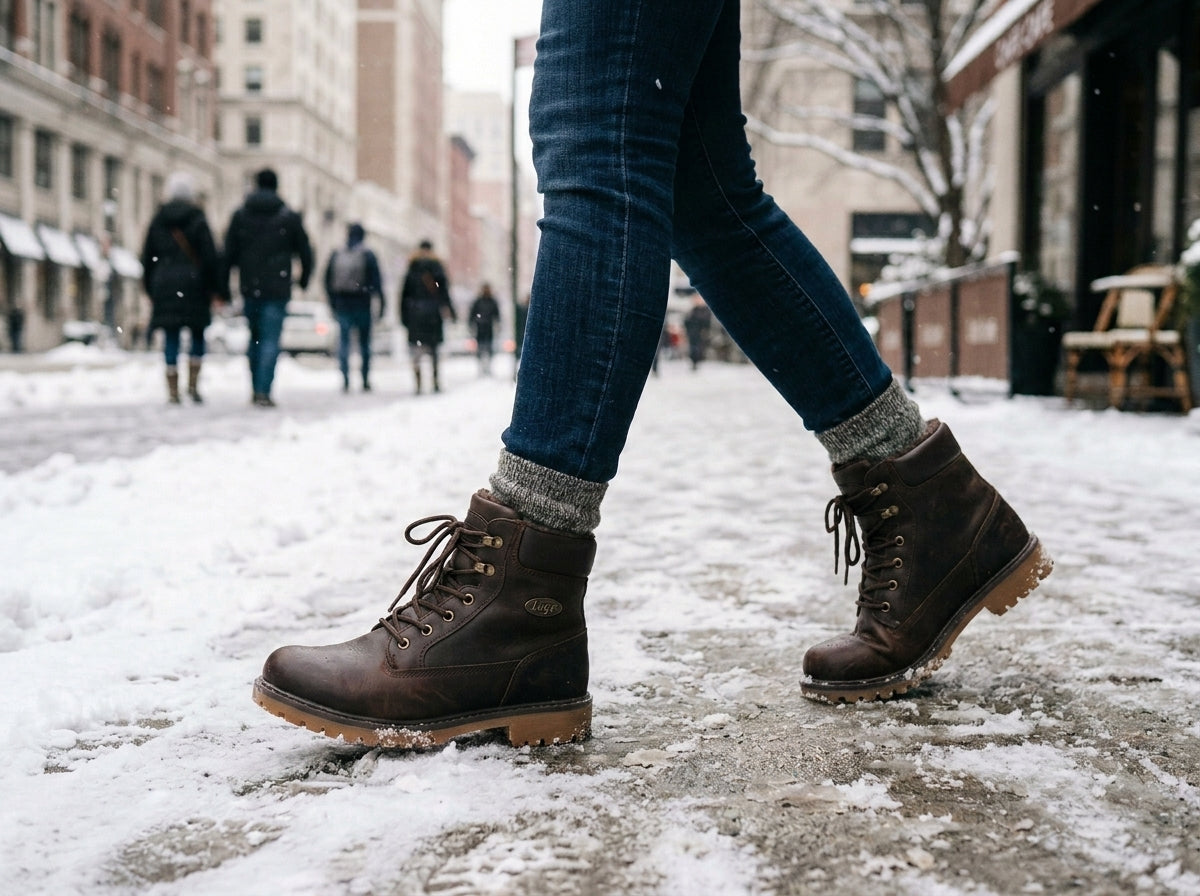
Salt stains are the white, crusty marks that show up after winter walks on treated sidewalks, and they need prompt attention because road salt dries out and damages leather. Mix one part white vinegar with one part water, dampen a cloth with the solution, and gently wipe the stained area. The mild acidity breaks down the salt. Wipe again with a cloth dampened in plain water, let the boots air dry away from heat, then condition as usual. Catching salt stains early, before they set, makes them much easier to remove and keeps them from leaving a permanent mark.
How to Clean Mold Off Leather Boots
Mold on leather boots usually means they were stored somewhere damp, warm, and poorly ventilated, and you want to deal with it promptly before it spreads or weakens the leather. Take the boots outside first so you do not scatter spores indoors. Brush the surface mold off with a soft brush, then wipe the leather with a cloth moistened in a solution of equal parts rubbing alcohol and water. If mildew remains, the University of Missouri Extension guidance on preventing and removing mildew recommends washing leather with thick suds from a mild soap or saddle soap, wiping with a damp cloth, and drying in an airy place. Once the boots are fully dry, condition the leather and store them somewhere dry with good airflow to keep the mold from coming back.
How Often Should You Clean Leather Boots?
Give leather boots a quick brush after every wear, and a deeper clean and condition every few weeks depending on how hard you wear them. A daily work boot that sees mud and job-site grime needs more frequent attention than a dress boot worn occasionally. The key principle is not to wait until your boots look filthy to start. A short, regular routine keeps the leather supple, prevents grime from setting in, and means each cleaning takes less effort than the last. Boots cared for this way simply last longer, which is the whole point of buying quality leather in the first place.
Caring for Your Lugz Leather Boots
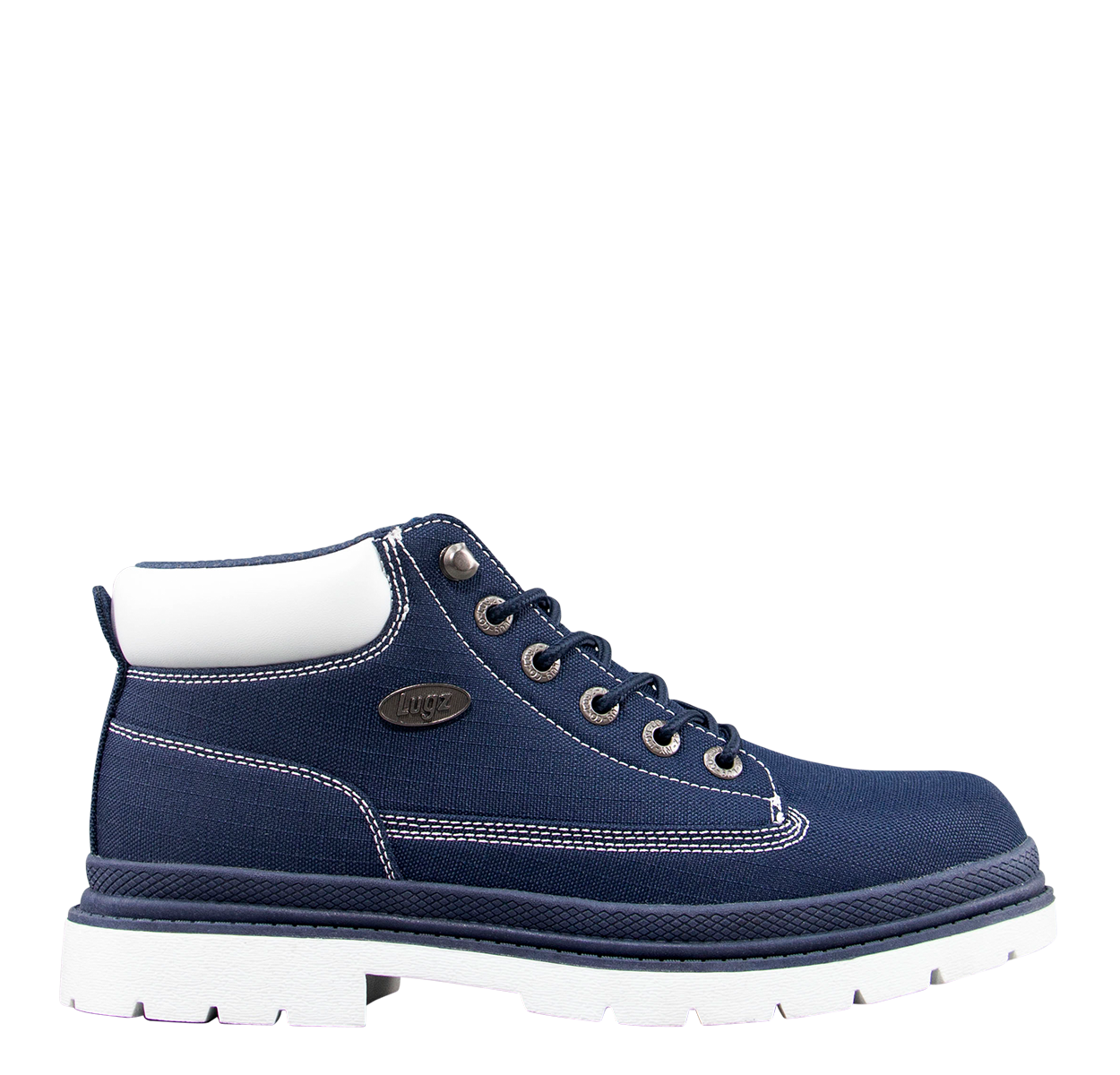
Whatever pair you are caring for, the routine above will keep it looking its best for years. If you are shopping for a boot built to reward that kind of care, our men's boots collection covers leather and nubuck styles from rugged moc toe boots to clean oxford boots. The Drifter Lo Lx oxford boot is a smooth-leather everyday option, while the water-resistant Empire Hi 6-inch boot is built for wetter days. You can also browse durable leather boots and footwear across men's and women's styles in the full catalog. Heritage construction has been our focus since 1993, and a few minutes of care is all it takes to get the most out of it. #WalkWithUs.
Step Into Strength. Step Into Lugz.
From rugged boots to street‑ready sneakers, Lugz delivers durability and style for everyday grit.
Shop Now